
Tüm Yazılar
The Agricultural Success of the Netherlands
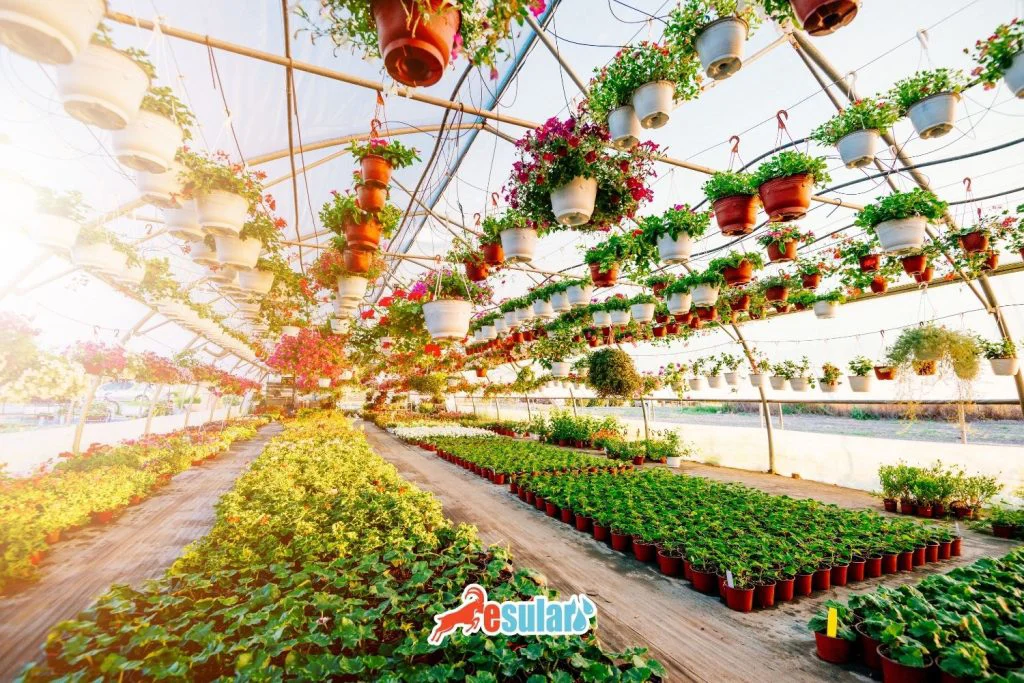
The details underlying the agricultural success of the Netherlands are quite diverse. The country's small but fertile agricultural lands are an important factor supporting high productivity in agricultural production, despite being a densely populated country. The Netherlands is known for its constantly innovative approaches in agricultural technologies. Especially with its advanced applications in greenhouse cultivation and greenhouse technologies, it succeeds in growing high-quality products throughout the year even on limited land. The country's water management is also one of the critical factors behind its agricultural success. Since a large part of the Netherlands is located below sea level, the drainage systems and water management techniques it has historically developed make agricultural lands efficiently usable. Keeping waters under control and the clever use of irrigation systems provide a continuous and reliable resource in agricultural production.
Furthermore, the significant investments made in agricultural research and education in the Netherlands are also an important factor behind their success. World-renowned agricultural education institutions and research institutes like Wageningen University play a leading role in the development and application of modern agricultural techniques. These institutions contribute to the implementation of scientific and technical innovations at every stage of agriculture, ensuring the continuous progress of the sector. With the combination of these elements, the Netherlands has become one of the leading players in world agriculture despite its small territory, providing significant contributions to its economy.
Historical Change of the Agricultural Sector in the Netherlands
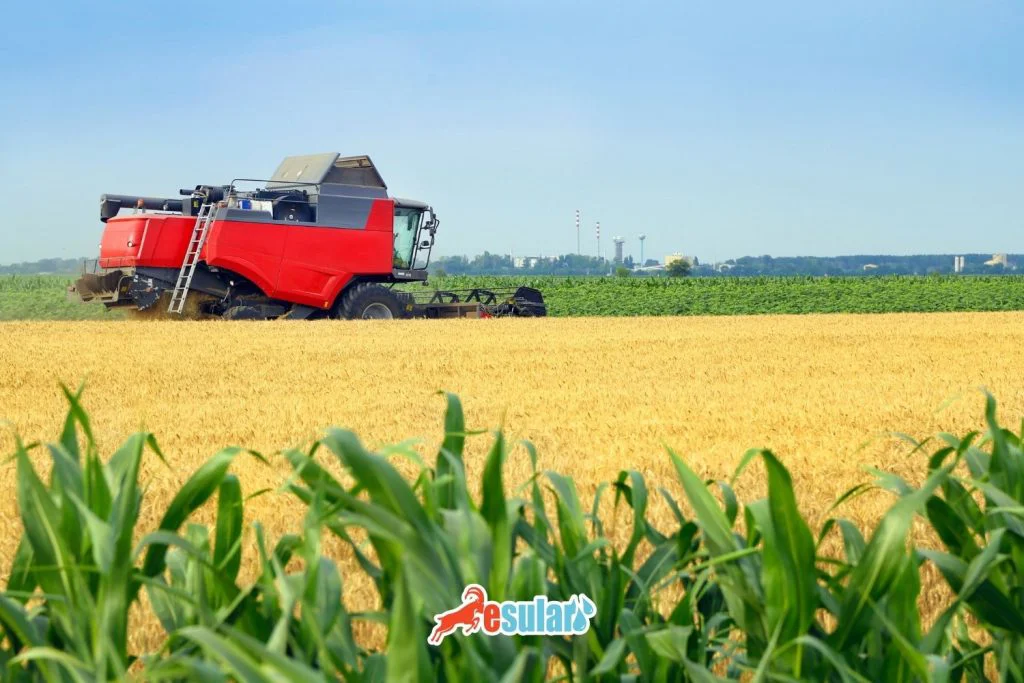
The agricultural sector of the Netherlands has developed as a result of investments made in people and farmers acting together through cooperatives. Highly educated farmers influenced local and national decision-makers, used their strategic positions to develop sea ports on the North Atlantic route, and became Europe's commercial gateway with the start of international trade. With the construction of large cargo ships in the 16th century, low-cost grains began to enter Europe through the ports of Rotterdam and Amsterdam, which led Dutch farmers to turn to the production of different products and the development of the agricultural product processing sector. From the second half of the 19th century, schools were established to train agricultural managers and workers, and Wageningen University was opened in 1876. Following World War II, with mechanical agriculture and technological developments, agricultural enterprises in the Netherlands reduced labor costs and increased their productivity. With the approach known as the Polder Model, problems were solved within the framework of dialogue and common consensus, and development was planned together. This process ensured that the Netherlands became a world leader in the agricultural sector and served as an example for other countries.
Current Status of the Netherlands Agricultural Sector
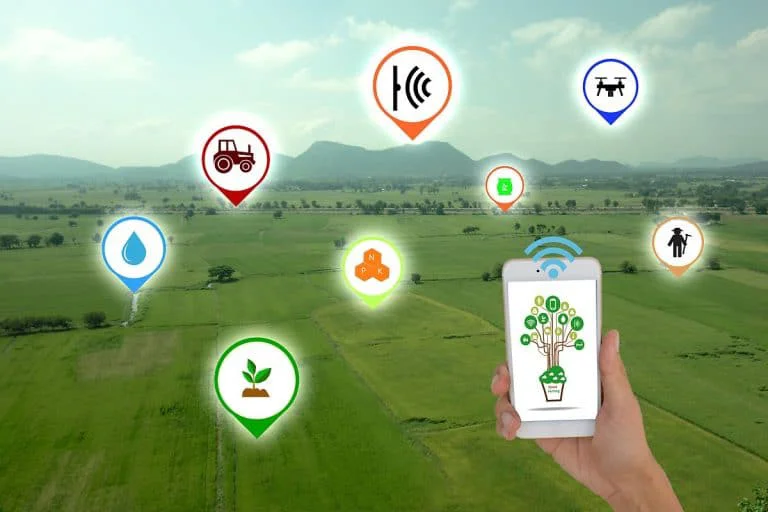
The Dutch agricultural sector maintains its competitive advantage today by focusing on smart farming applications. As of 2017, the Netherlands maintains its position as the world's second-largest exporter of agricultural products with 106 billion USD in agricultural exports. In this success, the extensive cooperative network and optimal enterprise scales play an important role. The majority of agricultural enterprises in the Netherlands are medium-sized and, with the support of cooperatives, work effectively in all stages from providing credit to production inputs, from R&D studies to state incentives.
The gradual replacement of small enterprises by larger ones contributes to the increase in agricultural productivity. From 1961 to 2010, the total factor productivity (TFP) of the Netherlands' agricultural sector increased 3.8 times. In 2012, 55% of the Netherlands' agricultural R&D expenditures were covered by the commercial sector, while 45% were financed by the state and universities. Most of these studies are carried out by Wageningen University and the DLO Research Foundation, and as of 2014, nearly 5000 scientists and engineers work in these institutions. As of 2015, the budget of Wageningen University is approximately 550 million USD. These elements constitute the cornerstones of the success of the Netherlands in the agricultural sector.
The Secret of the Netherlands' Success in Agriculture
Technology and Innovation: The Netherlands has prioritized the use of technology and science at every stage of agriculture. Especially with advances in greenhouse technologies, innovative applications in areas such as plant nutrition techniques and light management have achieved high productivity.
Sustainable Agricultural Practices: Fertile agricultural lands have been created thanks to efforts to reclaim areas below sea level for agriculture and regular drainage systems. Additionally, soil fertility has been increased with sustainable agricultural practices such as rational crop rotation methods and soil reclamation.
Education and Research: World-renowned agricultural education institutions and research institutes like Wageningen University play an important role in the development of agricultural technologies. Continuous research and innovations provide an important infrastructure to increase quality and efficiency in agricultural production.
International Trade Network: The Netherlands provides an advantage in processing and distributing agricultural products worldwide through major ports like Rotterdam. This helps the Netherlands easily present its agricultural products to world markets and increase its exports.
Producer Unions and State Support: There is a strong synergy between producer unions, universities, research institutes, and SMEs in the Netherlands. State R&D support and agricultural policies also support this synergy, paving the way for developments in the sector.
When these factors come together, it can be more clearly understood how the Netherlands has achieved success in agriculture. These approaches based on productivity, quality, sustainability, and innovation have ensured that the Netherlands has become a global leader in the export of agricultural products.
The Netherlands in Livestock Farming
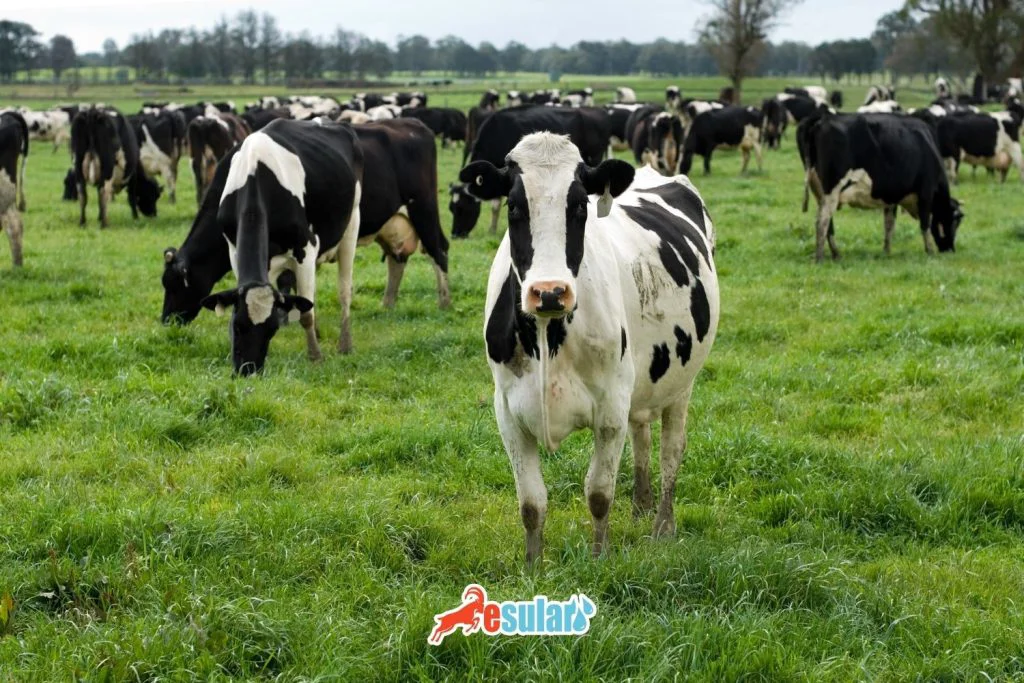
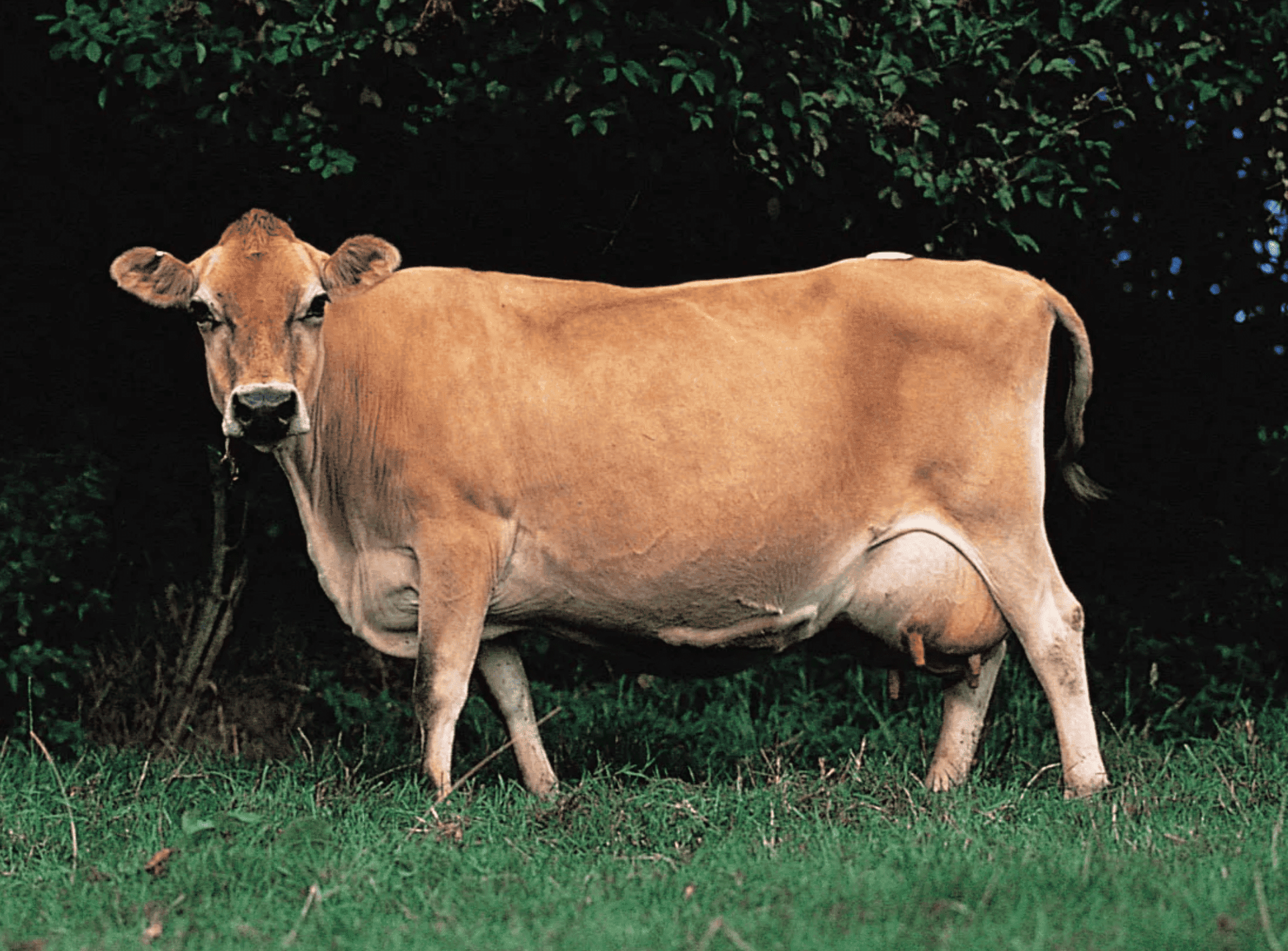
While the Netherlands is known as a leading country in agriculture and livestock farming worldwide, it is also taking important steps regarding environmental sustainability. Recently, having decided to significantly reduce livestock production to reduce environmental impacts, the Netherlands aims to minimize the amount of ammonia and other pollutants released into nature with these steps. Especially the decisions taken to lower nitrogen emissions are considered an important step towards improving protected natural areas and general environmental quality. Within this framework, by developing innovative policies regarding sustainability in the agriculture and livestock sector, it is expected that the Netherlands will contribute to the eco-friendly agricultural model.

Yorumlar