
Tüm Yazılar
Suffolk Sheep
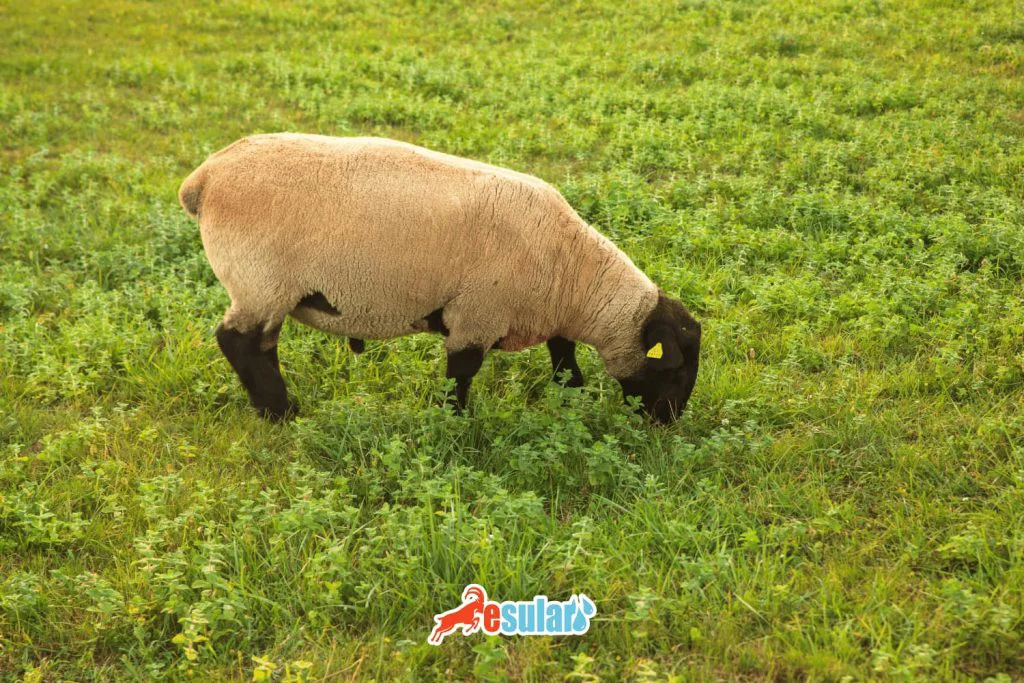
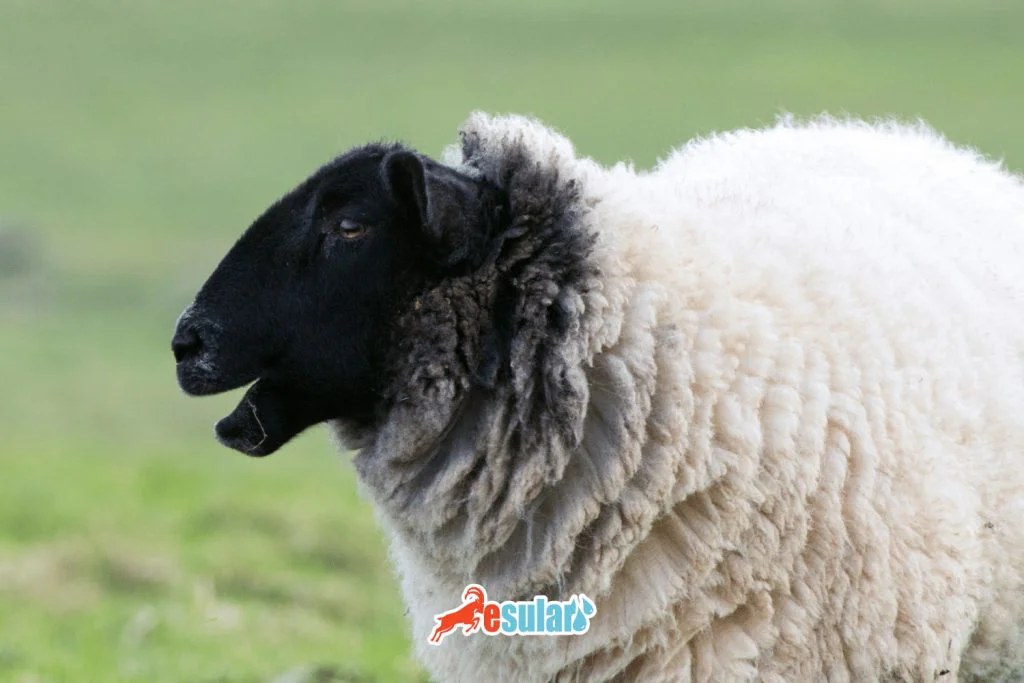
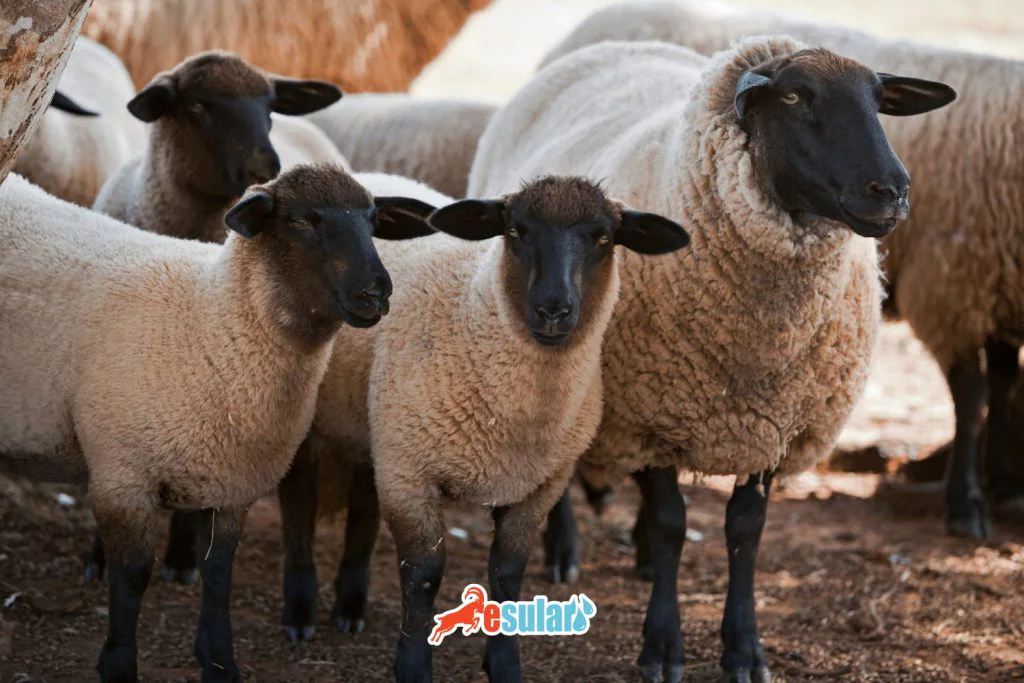
Suffolk sheep originate from the Suffolk region of England. This sheep breed is a hardy, fast-growing breed with high reproductive efficiency, raised for meat production. Suffolk sheep generally have a white fleece, but their faces, ears, and legs are black. These black face features make them easily distinguishable from other sheep breeds. Suffolk sheep have a medium-sized and muscular structure. Since they have an adaptable nature, their care is generally easy. They have a calmer character compared to other sheep. They are preferred by farmers due to their calm and cooperative nature. Furthermore, Suffolk sheep generally adapt easily to climatic conditions and environmental changes. They usually give birth easily and provide good mothering to their offspring. Therefore, they are a popular choice among breeders. Suffolk sheep are an ideal choice for meat production. Their meat is delicious and nutritious. Additionally, their wool is of high quality and valuable. Due to their hardy structure, high reproductive efficiency, and easy care, they are a preferred breed among farmers.
Suffolk Sheep Characteristics
The Suffolk sheep is a medium-sized sheep breed with a black head and legs and a white body. Suffolk sheep, which have a good muscle structure, are polled (hornless) in both males and females and have a long lifespan. Thanks to its adaptable nature, it is easy to maintain and provides ease of lambing. Besides having a quality wool structure, they have high lambing characteristics and the daily weight gain of their lambs is quite good. Suffolk sheep, which have high meat quality, have a lean and juicy meat structure and high carcass efficiency. Their live weights range from 113 to 160 kg in males and 81 to 113 kg in females. Wool yield and quality are also quite good, these features make Suffolk sheep preferable.
Suffolk Sheep Milk Yield
Suffolk sheep are raised as a breed primarily focused on meat quality in terms of milk yield. Therefore, they produce a lower amount of milk compared to other dairy sheep breeds. However, Suffolk sheep's milk draws attention with its rich nutritional values. It contains higher fat, protein, zinc, calcium, riboflavin, thiamine, and niacin than many cow and goat breeds. With these features, it is valuable in terms of both milk and dairy products.
How Many Lambs Does a Suffolk Sheep Give?
The lambing percentage of Suffolk sheep varies across a quite wide range, it can be between 0 and 220% per ewe lambing. This shows that the breed's fertility and reproductive ability are high. Additionally, Suffolk sheep can generally produce 3 lambings within 2 years. This indicates that their reproductive potential and birth rates are high. With these characteristics, Suffolk sheep have become a preferred breed for efficient reproduction and lamb production on farms.
Disease Resistance of Suffolk Sheep
Although Suffolk sheep are generally resistant to many diseases, they are susceptible to some. Among these diseases, Spider Lamb Syndrome and Scrapie are particularly noteworthy. Spider Lamb Syndrome is known as a hereditary disorder and is especially seen in black-faced breeds. This syndrome can cause abnormalities in the skeletal system development of lambs. Consequently, it negatively affects the health and welfare of the animals. Scrapie, on the other hand, is known as a central nervous system disease. This disease manifests itself with symptoms such as a constant urge to rub and behavioral changes. Unfortunately, Scrapie disease can lead to serious consequences and cause deaths in animals. Therefore, regular veterinary control and taking appropriate care measures are important to protect the health of Suffolk sheep.
What Are the Differences Between Suffolk Sheep and German Blackheaded Mutton Sheep?
German Blackheaded Mutton (Schwarzkopf) and Suffolk sheep sheep, although both are sheep breeds raised for meat production, have some differences.
Origins: While Suffolk sheep come from the Suffolk region of England, the German Blackheaded Mutton sheep is of German origin.
Size: German Blackheaded Mutton sheep generally tend to be larger and bulkier. Suffolk sheep, on the other hand, are medium-sized and muscular.
Wool: While the wool of Suffolk sheep is generally finer and softer, the wool of German Blackheaded Mutton sheep is thicker and coarser.
Milk Yield: Suffolk sheep are lower in terms of milk yield compared to German Blackheaded Mutton sheep.
Character: While Suffolk sheep generally have a calm and docile character, German Blackheaded Mutton sheep can be more timid and distant.
Adaptation: While Suffolk sheep can generally adapt better to different climates and conditions, German Blackheaded Mutton sheep can adapt better to cold climates.
Reproductive Efficiency: The twinning rate of German Blackheaded Mutton sheep is generally higher and they can produce more lambs at birth.
This differences arise depending on various factors such as the breeding purpose of both breeds, the climatic conditions of the regions where they are raised, and breeding methods. Therefore, you should do detailed research before making a breed choice.



Yorumlar