
Olive Cultivation
Olive cultivation is a product that requires labor just like the cultivation of any other product. The olive tree is considered the oldest fruit tree in the world. Olives, whose homeland is Anatolia, have approximately 90 million olive trees in our country. 75% of olive trees grow in barren and rugged rural lands. Commercial cultivation generally takes place in the Aegean, Marmara, and Mediterranean regions. The yield per tree of the olive tree is around 9 kg. While 90% of the olives produced are black olives, green olive production has been increasing in recent years. Olive cultivation consists of 75% for oil and 25% for table olives.
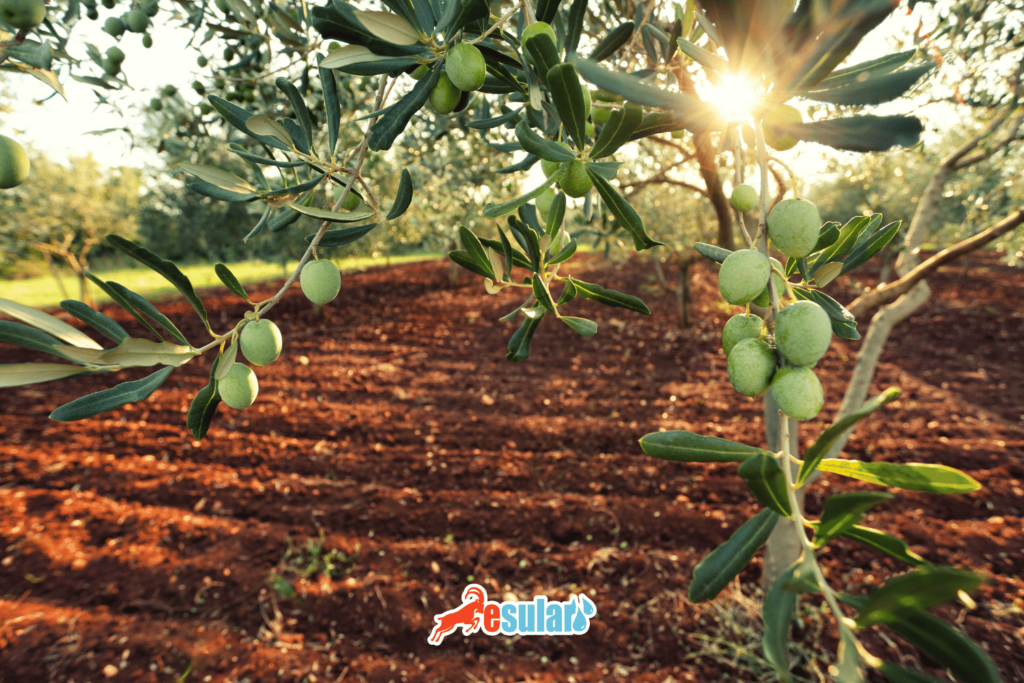
Growing Conditions of Olives
Although olive cultivation takes place in the Mediterranean climate zone, while it is not selective about soil, it does not show the same tolerance towards climate conditions.
In What Kind of Soil Does Olive Grow
Although the olive tree is generally known as the "rich tree of poor soils," it is important for the land where the olive grove will be established to have the most suitable soil structure. This land should have a loamy, clay-loam structure, with slightly calcareous and gravelly characteristics. Soil depth should be at least 1.5-2 m, rich in organic matter and nutrients, without salinity problems, with high water holding capacity and a pH value between 6-8. The olive tree does not like environments where the groundwater is high. Therefore, in areas where the groundwater is closer than 1 m or where olive roots remain under water for a long time during the winter months, drainage works should be carried out before the olive grove is established.
Temperature
The fundamental climate factor determining the spread of olives is temperature. It generally grows in regions where the annual average temperature is 15-20 °C. Olives can withstand high temperatures up to a maximum of 40 °C under good irrigation conditions. However, the minimum resistance temperature is -7 °C, and temperatures below this degree can damage the olive tree.
-7 °C's effects can range from the buds to the roots depending on the severity of the cold. These effects may include:
- Excessive leaf fall,
- Bark cracking,
- Death of thick branches.
The effects of cold increase depending on the duration of the cold period.
When the temperature rises above 40 °C, the following negative effects may be observed:
- Higher than normal temperatures in May-June can cause wilting by increasing transpiration in the leaves.
- High temperatures during flowering and fruit set periods can negatively affect fertilization and cause the formation of shot berries.
- During the pit hardening, fruit enlargement, and ripening periods, it can cause fruit drop and the fruits to be small and wrinkled, negatively affecting the growth and productivity of the trees.
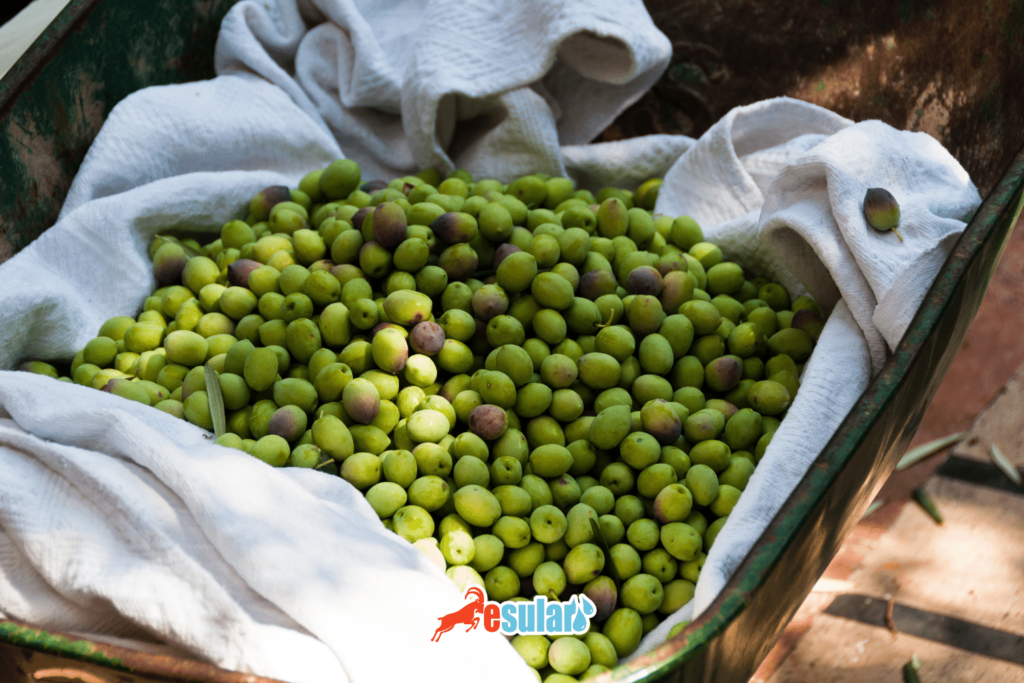
Precipitation
The annual rainfall requirement of the olive tree is between 700-800 mm.
- In regions where olive cultivation is practiced, rainfall in the winter and spring months is stored by the soil to meet the water needs of the olive trees, increases flowering, and reduces June drop.
- Water is needed in the summer months for the growth of the olive fruit, and if this need cannot be met by rainfall, irrigation must be performed.
- Precipitations such as hail and snow create undesirable situations and can cause branch breakage, especially more commonly seen in poorly pruned trees.
The negative effects of more than normal rainfall are as follows:
- Tillage tilth is not found.
- Harvest becomes difficult.
- It causes the leaching of nitrogenous fertilizers.
- It can cause erosion in sloping olive groves.
- By causing olive trees to produce excessive shoots, it can reduce resistance to cold.
- It can cause root rot by raising the groundwater and prevent soil aeration.
- It can lower the soil pH.
Wind
In olive cultivation, wind has both positive and negative effects.
Benefits:
- The Karayel blowing in the winter months brings rain.
- Winds blowing during the flowering period facilitate fertilization.
- Humid winds blowing in the summer months prevent trees from losing water through transpiration.
Harms:
- Dry winds blowing from the south in the summer months can cause the soil to lose moisture, leading to the wilting of the fruits due to dehydration.
- The Lodos blowing in the winter in regions open to the south can lead trees to wake up early, causing them to be more affected by the cold.
- It can cause branch breakages and even uprooting in trees.
Altitude and Direction
Altitudes above 800 meters are not suitable for economic olive cultivation. Olive trees need intense sunlight, therefore they should be grown on southern slopes instead of excessively cold regions.
How Should Olive Sapling Planting Be
With traditional method: 200-300 trees/ha
With High-density planting method: 300-400 (long vase) trees/ha, 400-600 (Central leader) trees/ha
Super high-density planting method: > 1,500 trees/ha
Traditional cultivation: Old plantations, High-cost harvest, pruning, etc., Low yield, Very low economic return.
Normal planting method: Mechanization, Medium-low cost, High yield (5,000 to 7,000 kg/ha dry. 10,000 to 13,000 kg/ha irrigated), Reasonable economic return.
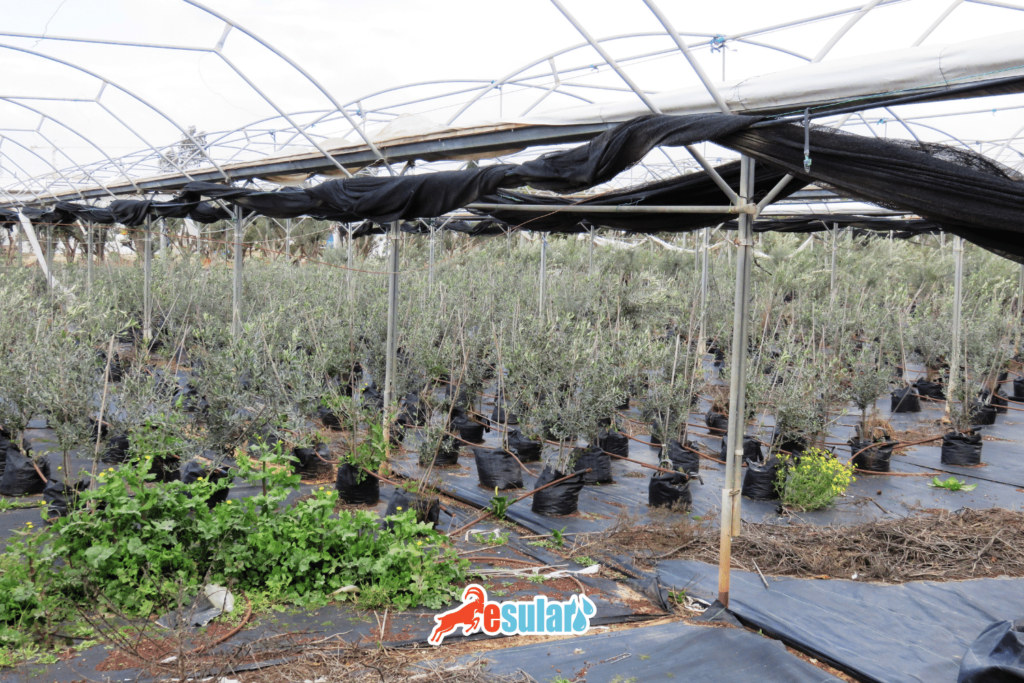
Olive Variety and Sapling Selection
The elements to be considered in variety selection are:
- The purpose (for oil, table) should be considered.
- It should show suitable adaptation ability to the region.
- Variety selection should be made considering the climate conditions.
The factors to be considered in sapling preference are:
- It is important for the saplings to be homogeneous.
- Healthy saplings should be selected.
- Care should be taken that the saplings are certified or correctly named.
Which Olive Variety Should Be Selected According to the Region
Aegean Region
North Aegean: Ayvalık, Gemlik, Uslu, Domat, Çelebi (Donkey Olive)
South Aegean: Memecik, Domat, Tavşan Yüreği, Yamalak Sarısı, Erkence, Manzanilla
Marmara Region: Gemlik, Karamürsel Su, Domat, Samanlı
Mediterranean Region
West Mediterranean: Tavşan Yüreği, Kan Zeytini, Büyük Topak Ulak, Uslu, Gemlik
East Mediterranean: Sarı Ulak, Büyük Topak Ulak, Halhalı, Gemlik, Ayvalık
South Eastern Anatolia Region: Nizip Yağlık, Kilis Yağlık, Halhalı, Edincik Su, Tavşan Yüreği
When is the Olive Sapling Planted?
The most suitable time for planting olive saplings is November, December, and January. The roots of olive saplings planted in this period join the soil more firmly and develop by strengthening with the winter rains. Errors made during planting may delay the adaptation of the sapling's roots to the soil.
Olive Sapling Planting Interval and Distance
In olive cultivation, the planting interval and distance are determined based on soil characteristics, the tree's crown size, variety, and the shape to be given to the tree.
Maintenance Procedures to be Applied After Olive Sapling Planting
- Irrigation is necessary in the first years.
- In the areas where the saplings are located, weeds sharing water, light, and nutrient sources should be cleaned and removed.
- The crust layer formed as a result of irrigation should be broken by hoeing.
- Necessary measures should be taken to protect from diseases and pests.
- Depending on the growth status of the sapling, the shaping process should be started after 2-3 years.
- Fertilization should be planned according to soil and leaf analysis results.
Do not forget to check our article below for detailed information about olive diseases.
Yorumlar