
Tüm Yazılar
Limousin Cattle Breed
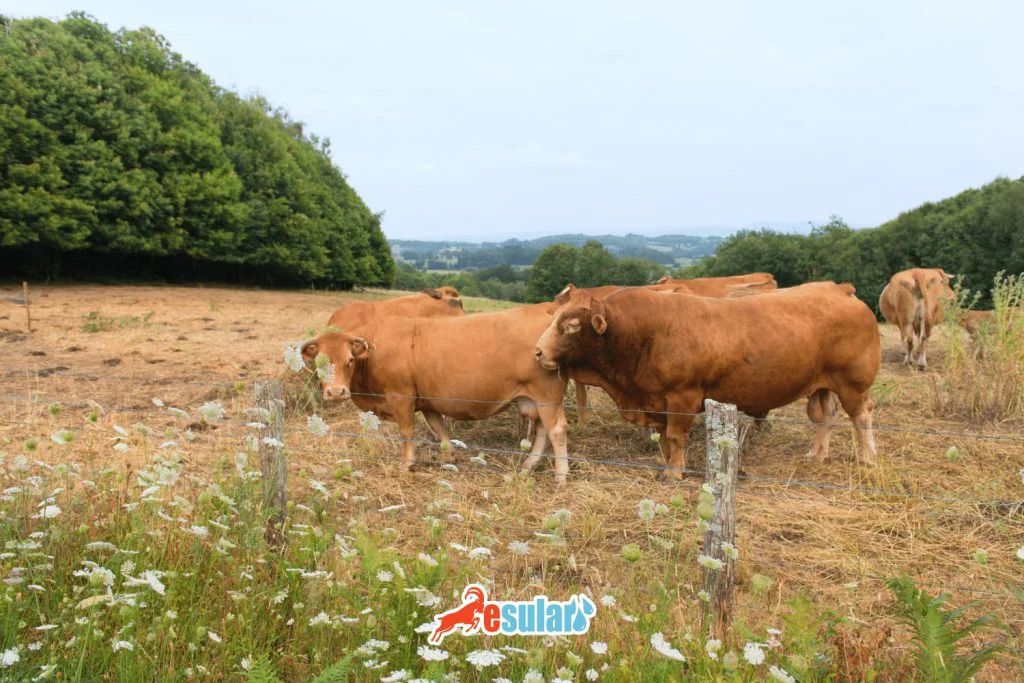
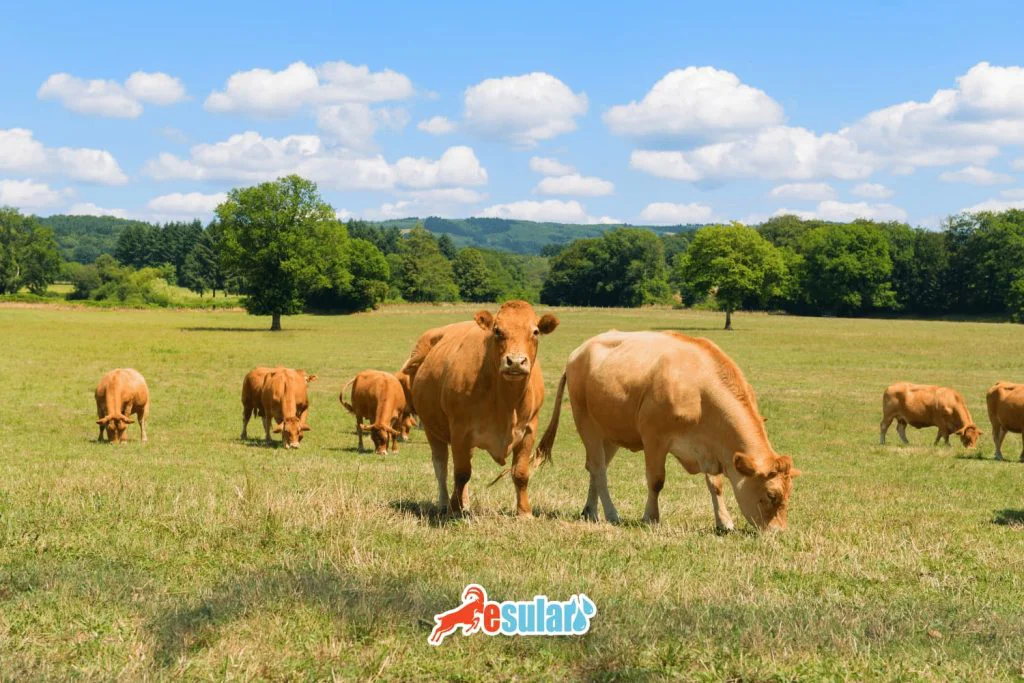
The Limousin cattle breed is a beef cattle breed developed in the Limousin region of France. Limousin cattle, which have a leading position in beef cattle breeding worldwide, have also been imported to Turkey in recent years and their breeding has become widespread. The purpose of bringing Limousin cattle to Turkey is to increase meat production and raise meat quality. Limousin cattle especially prefer temperate climates. However, their ability to adapt to different climatic conditions is high. Therefore, they are also successfully bred in different geographical regions of Turkey. Limousin cattle have a high adaptation capability. They are very suitable for being raised as herd animals. They generally have a calm character. With characteristics such as ease of birth, high live weight of calves, meat quality, and high fertility, Limousin cattle have become a preferred breed for beef cattle breeding. Thanks to these characteristics, the breeding of Limousin cattle is gradually increasing in Turkey.
What are the Characteristics of the Limousin Cattle Breed?
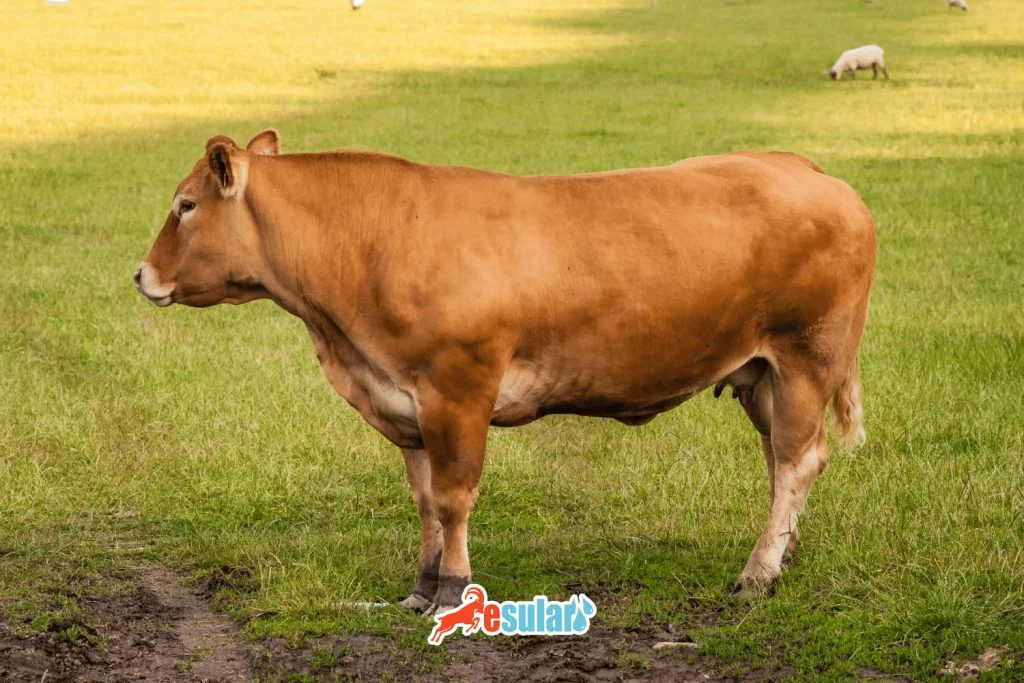
It is a cattle breed originating from the Limousin region of France, focused on meat production. Physical appearance comes first among the striking features of this breed. They generally have a light red color. Although they have a polled structure, rarely horned individuals are also present. The adaptation ability of these cattle is quite strong. They can quickly adapt to different climatic conditions. In this way, they can be bred efficiently both in temperate regions and in harsher climatic conditions.
The fattening performance of this breed also draws attention in the sector. The high live weight gain shown during the fattening period increases the economic value of this breed. On average, live weight gain varies between 1000-1300 grams per day. The meat yield rate is also quite high; it is generally around 65%. In addition, the meat of Limousin cattle is lean and fine-fibered, which ensures high meat quality. In Turkey, interest in breeding Limousin cattle has increased in recent years with the aim of increasing meat production and raising meat quality. This breeding, encouraged by state subsidies, contributes significantly to the prevalence of the Limousin breed in our country alongside local cattle breeds and to the meat sector.
How Much Milk Does the Limousin Breed Give?
The milk yield of its cows is generally 10 liters per day on average. However, this value may vary depending on many factors. Milk yield can vary depending on various factors such as nutrition, health status, milking frequency, and genetic factors. One of the main characteristics of the Limousin breed is that it is a beef cattle breed; therefore, the milk yield of Limousin cows is generally focused on meat production. For this reason, their milk yields may be lower compared to breeds focused on dairy farming.
How Many Kilograms Does a Limousin Bull Weigh?
Since its bulls are generally among beef cattle breeds, they hold an important place in terms of meat production. The live weight of an adult Limousin bull is generally over 1000 kg. This weight may vary depending on factors such as nutrition, breeding conditions, genetic structure, and health status. The strong muscle structure, which is one of the general characteristics of the Limousin breed, is an effective factor in its high live weight. In females, the live weight is around 700 kg. In addition, the withers height of Limousin bulls differs for adult females and males. The withers height of adult female Limousin cows is generally around 135 cm. The withers height of adult male Limousin bulls is around 145 cm. These characteristics play an important role in the preference of the Limousin cattle breed for fattening breeding.
Is the Limousin Breed Used in Crossbreeding?
It is a very popular breed in crossbreeding studies. The beef cattle characteristics of the Limousin breed are an ideal option for crossbreeding with other cattle breeds. Since Limousin cattle have high meat quality, strong muscle structure, and good adaptation abilities, these characteristics can be transferred to other cattle breeds. Crossbreeding is generally done to obtain healthier and more efficient individuals by bringing together the best characteristics of two different cattle breeds. The Limousin breed is preferred in these crossbreeding programs because of its characteristics such as meat quality, live weight gain, and adaptation ability. In Turkey, Limousin cattle are also used in crossbreeding programs with local cattle breeds. While these crossbreeding studies aim to increase the efficiency and meat quality of local breeds, they also aim to benefit from the characteristics of the Limousin. Individuals obtained as a result of crossbreeding will generally have both the durability of local breeds and carry characteristics such as the meat quality and efficiency of the Limousin.
How Much Feed Does Limousin Breed Cattle Consume?
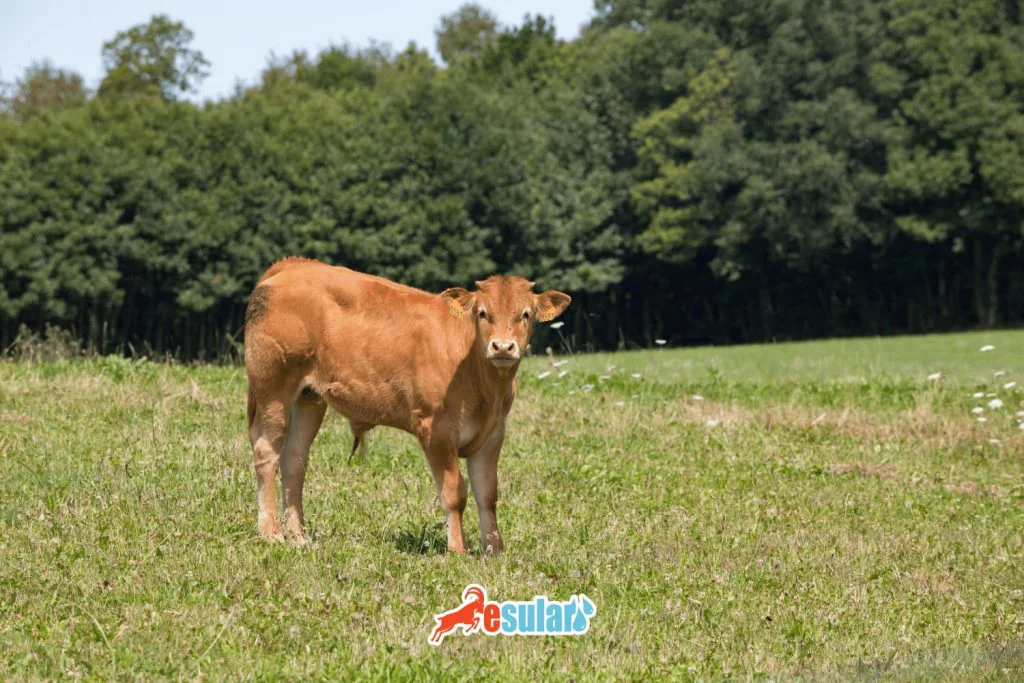
The birth weight of calves of this breed generally varies between 35-40 kg. Within the first year, this live weight rapidly increases and reaches up to 500 kg. The live weight of adult female Limousin cattle is generally around 700 kg. In bulls, this figure exceeds 1000 kg. When Limousin cattle are taken for extensive fattening, the average daily live weight gain in 6-12 month old males is 1300 grams. Daily feed consumption is approximately 8.8 kg. The bone ratio in the carcass of this breed is quite low, around 13%. In addition, the low accumulation of fat on the back, under the skin, in the kidney bed, and in the abdominal cavity is another important feature that increases carcass quality. Limousin cattle generally spend most of their time in pastures and meadows in the regions where they are raised. However, animals approaching calving time are usually taken into shelters. In pasture-based breeding, the fertility characteristics of Limousin cattle are quite good.

Yorumlar