
Tüm Yazılar
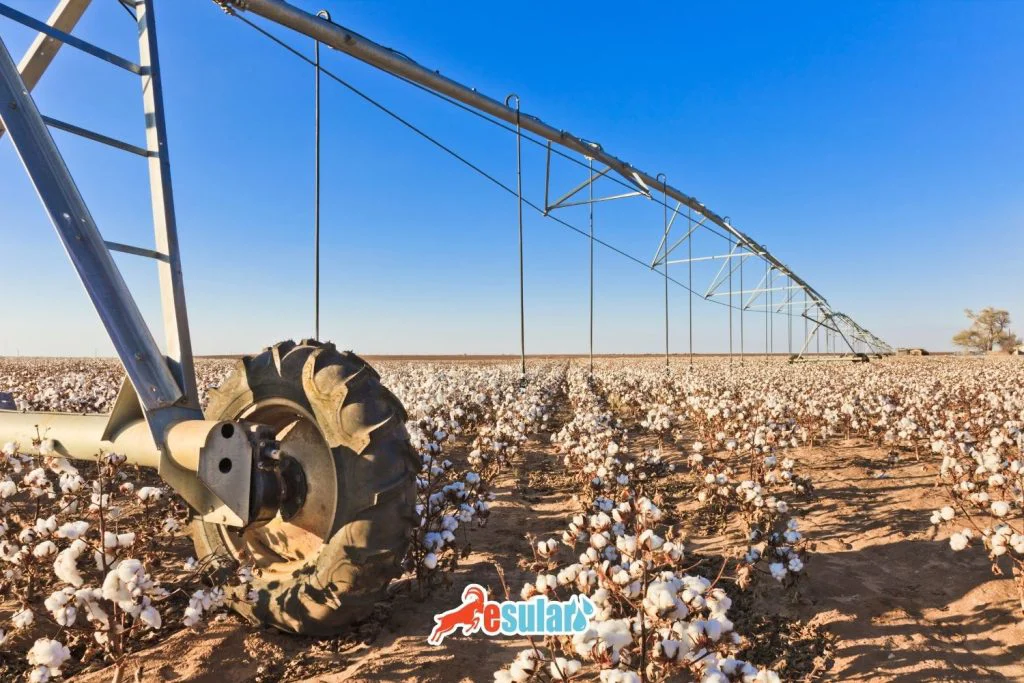
How to Irrigate Cotton? Water Requirement of the Cotton Plant
Cotton is a valuable plant that has an important place in agricultural production and is planted over large areas. However, for cotton to be successfully grown, the use of correct irrigation methods is of vital importance. The cotton plant requires a certain amount of water during its development process, and this water has a direct effect on yield and quality.
Irrigation has a strategic importance in cotton cultivation. Providing water in a regular and controlled manner during the growth period of the plant not only increases productivity but also positively affects fiber quality. The cotton plant has a great need for water, especially during the flowering and boll maturation periods. Appropriate irrigation provided during these processes ensures that the plant develops healthily and bears fruit productively.
In this article, we will examine the water requirement of the cotton plant and correct irrigation methods in detail. Understanding the irrigation requirements of cotton is a fundamental step to increasing productivity in agricultural production. Now, let's start exploring the irrigation needs and the most effective irrigation methods for the cotton plant.
Cotton Plant Water Requirement
The total water requirement and irrigation frequency of the cotton plant during the growing season varies significantly according to the climate conditions of the year and the regions where it is grown. Generally, the total water consumption during the growing period of cotton is between approximately 700-750mm, depending on the variety of the plant (leaf area and size), the amount of light, and the temperature.
Daily water consumption varies in different growth stages as follows:
- From emergence to squaring (seedling growth stage): 1-2mm
- From squaring until the first flower is seen: 2-4mm
- From first flowering until the first boll formation: 2-8mm
- From the first boll opening until the last effective flowering: 8-4mm
This information shows how the water requirement of cotton changes according to development stages and how correct irrigation strategies can be determined. The effective use of water in cotton cultivation is an important factor for increasing yield and quality.
When is the Cotton Plant Irrigated?
Lorem ipsum dolor sit amet,
Cotton specifically needs water during certain development stages in terms of irrigation timing. Irrigating the cotton plant at the right time is an important factor affecting yield and fiber quality. Here is general information about cotton irrigation timing:
Pre-Sowing Irrigation: It is important to provide sufficient moisture in the soil for the germination and early growth of cotton seeds. Pre-sowing irrigation can be performed especially in regions where precipitation is insufficient.
Pre-Emergence Irrigation: Soil moisture must be sufficient during the first emergence of the cotton seedling and the early growth stage. Irrigation should be done carefully to protect soil structure and prevent seedling diseases.
First Irrigation After Sowing: Immediately after cotton is sown, the first irrigation should be done to provide soil moisture for seed germination and the first growth stage.
Flowering Period Irrigations: After the cotton plant flowers, it needs water for the fruit buds that will form bolls. Irrigation during this period is important to protect the plant from water stress and to encourage fruit formation.
Boll Maturation and Opening Period: When the plant enters the boll maturation period, the amount of irrigation can be reduced. Excessive water during this period can negatively affect fiber quality. However, it is necessary for the plant to receive sufficient water for boll opening and seed maturation.
Irrigation timing should be adjusted according to the climatic conditions of the region, soil structure, and cotton variety. Irrigation should be performed especially during the periods when the water requirement of cotton is highest, and effective use of water should be ensured.
How to Irrigate Cotton? What are the Cotton Irrigation Methods?
Flood Irrigation Method: This is an irrigation method performed by spreading water taken from head ditches over the field with a certain slope. This method is low-cost and can be used effectively over large areas.
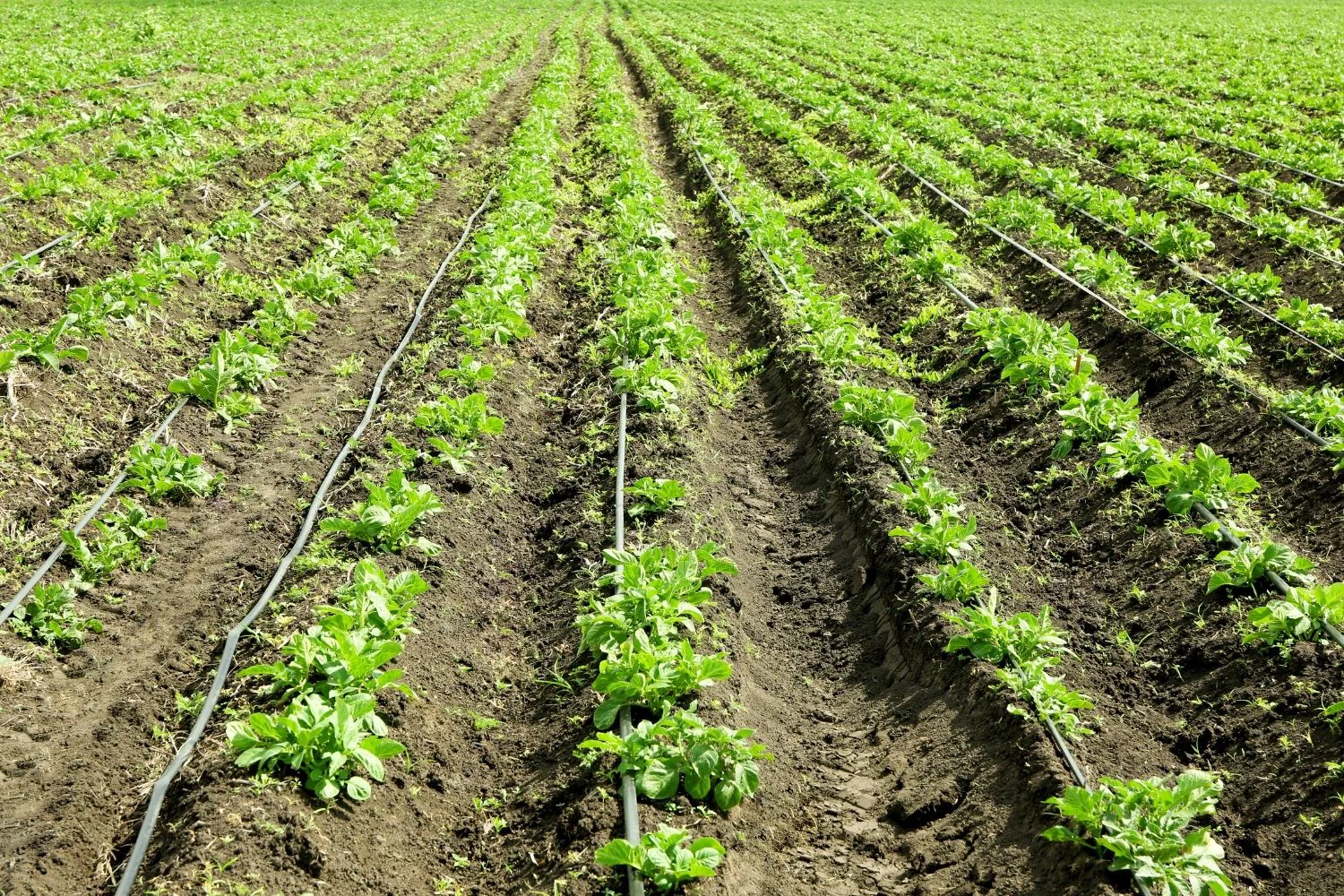
Drip Irrigation Method: This is a method used to deliver water directly to the root zone of the plant and involves dripping water into the soil under low pressure through emitters. It minimizes water loss and ensures efficient use of water.
Sprinkler Irrigation Method: This is an irrigation method performed by distributing water over the plant by spraying it under high pressure. This method is generally used in larger areas and provides water to the upper parts of the plant.
Furrow Irrigation Method: This is a method where water taken from head ditches is conveyed to the root zone of the plant through channels opened between the rows. It optimizes water use and provides water directly to the plant roots.
Long Basin Irrigation Method: This is a method of providing water at certain intervals to narrow and long plots. It is especially effective in rectangular plots and ensures the controlled spread of water with the slope.
While each method has its advantages and disadvantages, it is important to choose the appropriate method depending on cotton growing conditions, land structure, climate conditions, and the status of water resources. To get more detailed information about irrigation systems, you can review our article at https://esular.com/sulama-sistemleri-2 .
Smart Irrigation Systems in Cotton Cultivation
Cotton cultivation is a process that requires the correct and efficient management of water. Smart irrigation systems offer modern solutions in this important agricultural practice, both increasing productivity and supporting sustainable agriculture.
💧Why Smart Irrigation Systems?
The cotton plant has an intensive need for water, especially during certain periods. Smart irrigation systems optimize water efficiency according to the growth stages of the plant. Here are the benefits of smart irrigation systems in cotton cultivation:
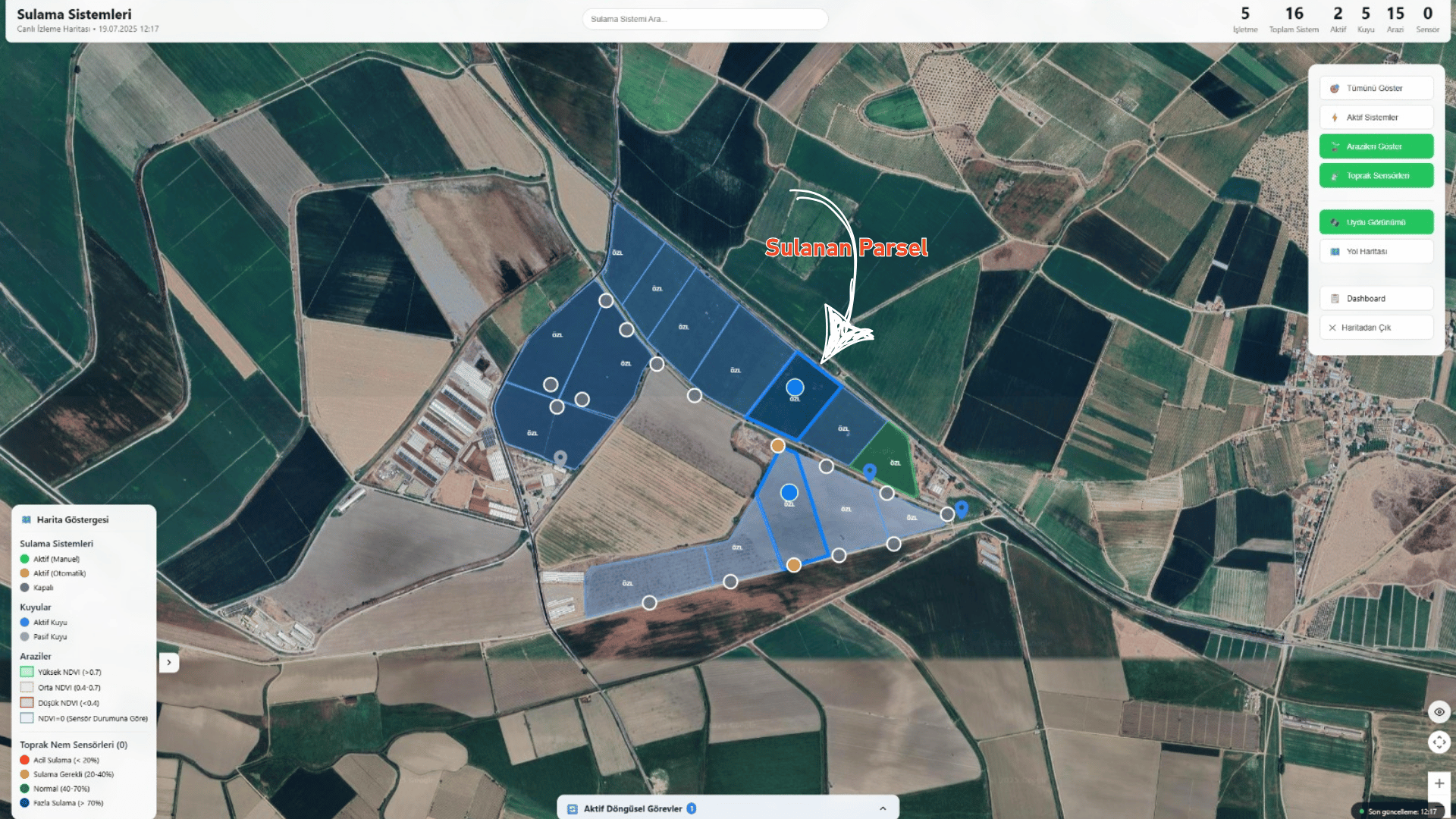
Thanks to sensors and data analytics, the water need of the plant is measured instantly and only as much water as needed is provided. This prevents water waste and reduces irrigation costs.
Providing the right amount of water at the right time encourages plant development and increases productivity. Smart irrigation systems provide optimal conditions in all growth stages of the cotton plant.
Sustainable use of water resources contributes to the reduction of environmental impacts. With smart irrigation systems, the efficient use of water and other resources is supported.
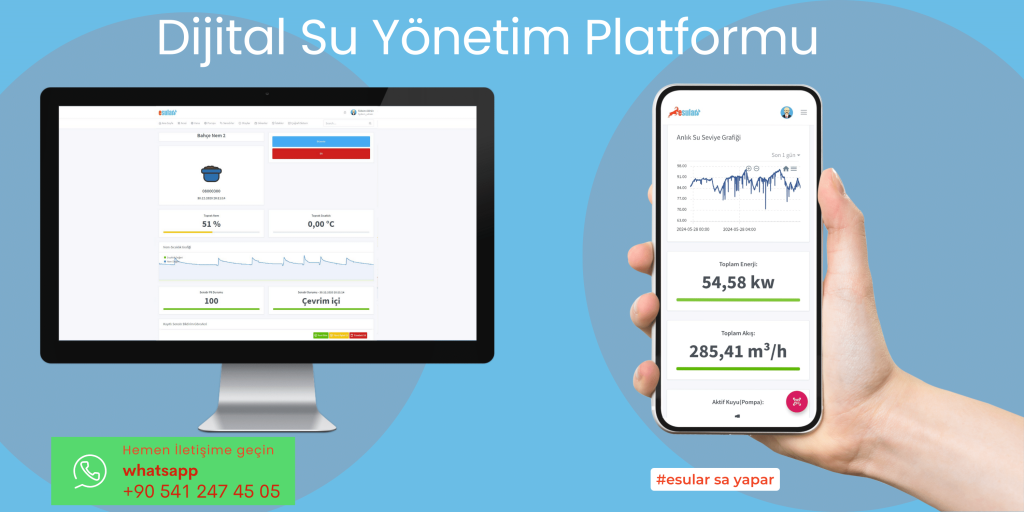
With mobile applications and remote control possibilities, farmers can monitor and manage their fields anytime and from anywhere. This increases operational efficiency and optimizes decision-making processes.
Meet Esular Smart Irrigation Systems
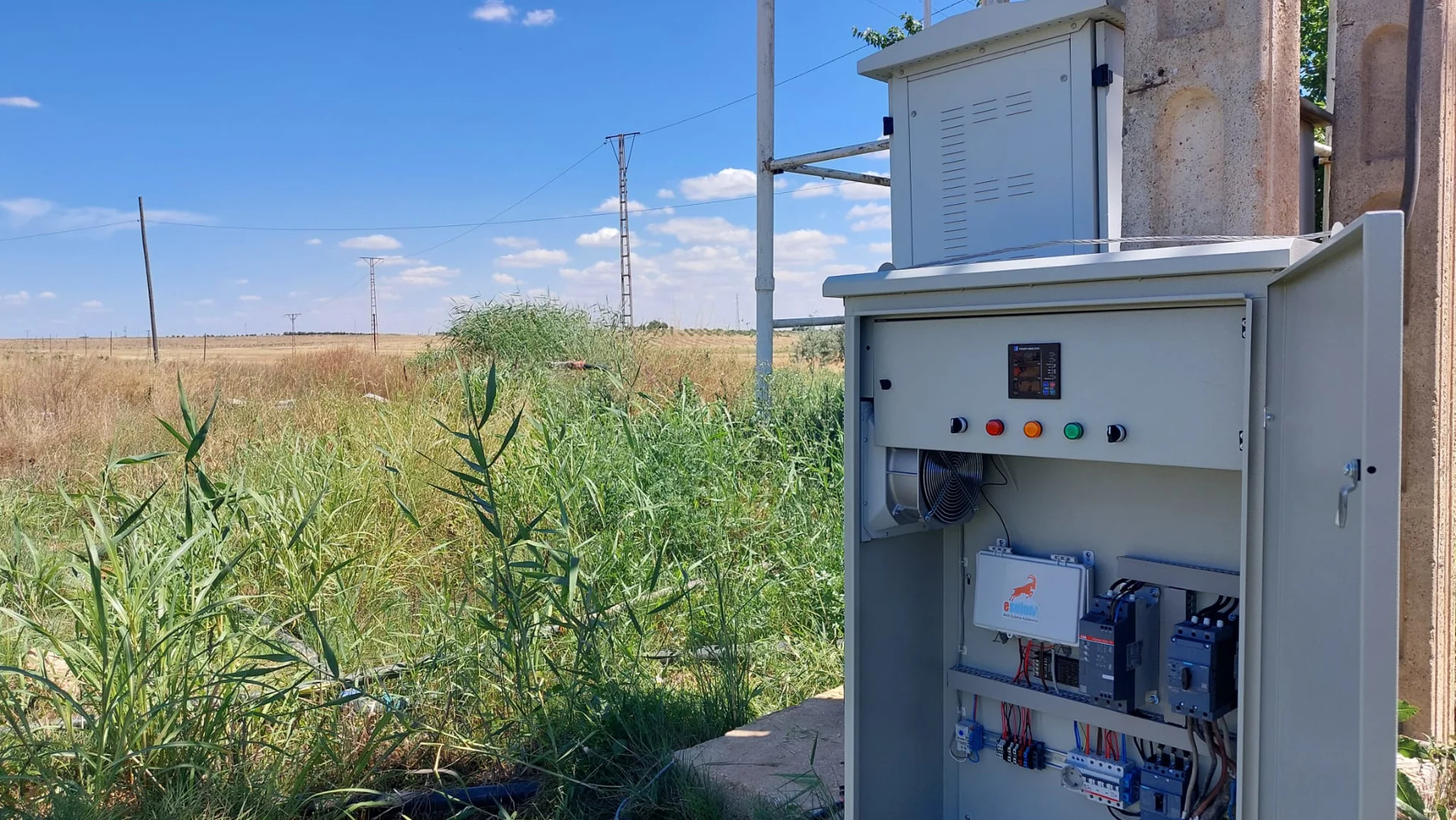
As Esular, we offer smart irrigation systems specially designed for cotton growers. These systems, equipped with sensors and providing automatic control, ensure more effective use of water and increase the productivity of farmers.
Our Contact Information
To get more information about our smart irrigation systems or to examine our solutions, you can reach us through the following communication channels:
- 🌐:
- 📧: info@esular.com.tr
- ☎️:+90 850 399 6888
Take a step towards a more productive and sustainable future with smart irrigation systems, one of the indispensable elements of modern agriculture. As Esular, we would be pleased to cooperate with you and carry your agriculture further.
Yorumlar