
Tüm Yazılar
How to Do Mushroom Cultivation?
Mushroom cultivation is a field that holds importance both economically and ecologically as an agricultural practice. While this special farming method requires correct knowledge and meticulousness, it presents an example of sustainable agriculture by ensuring the efficient use of natural resources. Mushrooms are an important agricultural product with high nutritional value and used in various dishes. At the same time, they are biologically important; they contribute to the decomposition of organic materials in the natural cycle. Mushroom cultivation carries the mission of protecting the balance of nature and contributing to human nutrition. To be successful in this field, technical knowledge, compliance with hygiene standards, and the correct use of equipment are of great importance.
For a good start, it is important to choose a suitable growing environment and understand the specific requirements of mushroom species. Additionally, conducting market research to successfully market your products plays a critical role in business success. Mushroom cultivation is an agricultural practice that builds a bridge between nature and human hands and contributes to healthy food production. Each production process must be carefully managed in terms of protecting natural resources and implementing sustainable agriculture principles. Acting with this sense of responsibility, mushroom cultivation strengthens its future role as an important field of agricultural innovation.
Where Do Mushrooms Grow?
Suitable business environments for mushroom cultivation can be realized in different structures and areas:
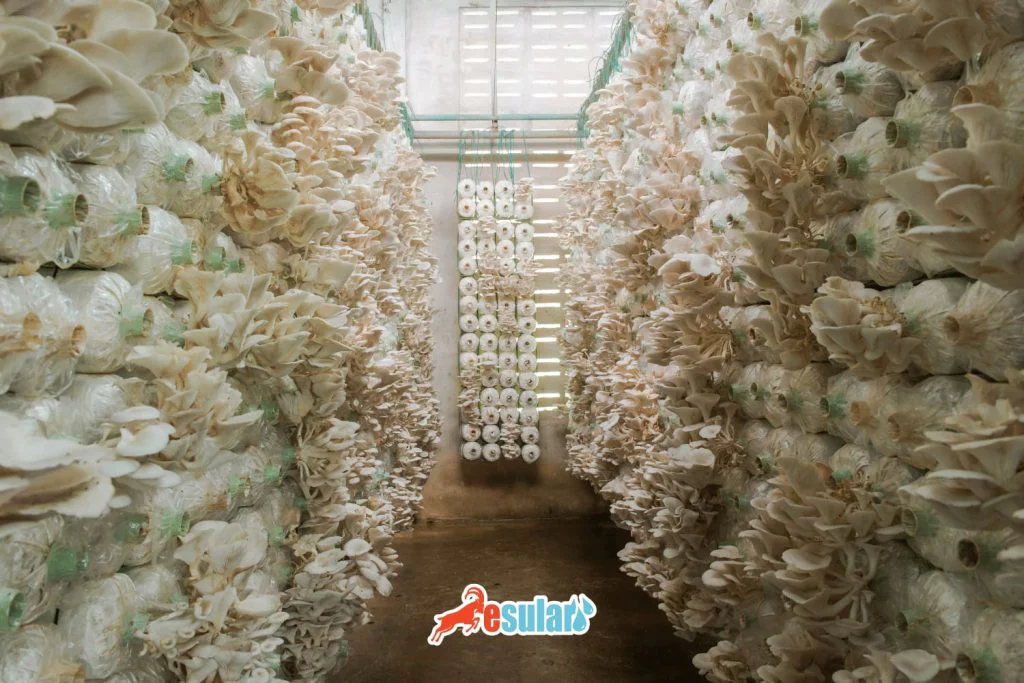
Caves and Tunnels: Caves and tunnels, which are less affected by the natural climate, can generally have temperature ranges of 18-20°C in summer and 5-12°C in winter, with humidity levels of 50-80%. These areas may require additional heating to provide the suitable climate for mushrooms. The ventilation system is important; regular air exchange must be ensured to exhaust stale air and intake fresh air. The mushroom growing process can be carried out in plastic bags on the floor or on bunk systems.
Poultry Houses, Vacant Buildings, Warehouses, Depots, Basements: Such venues can be suitable for modern mushroom growing techniques and may require lower capital for a start. However, maintaining hygienic conditions and establishing necessary air conditioning and ventilation systems is important.
Commercial Cold Storage Facilities: Fruit and vegetable storage depots can be used for mushroom cultivation during the spring and summer months. While additional heating may generally not be required in the spring, the optimum temperature desired by the mushroom can be provided using coolers during the summer months.
Modern Mushroom Enterprises: Modern enterprises are ideal for large-scale mushroom production. These facilities include systems such as heating, cooling, humidity control, ventilation, and air circulation to meet the optimum requirements of the mushroom. They may require large capital investment to ensure high yield and continuous production.
When choosing a location, regions where operating costs are lowest and revenues will be highest should be preferred. Additionally, processes such as compost production planned to keep environmental impacts to a minimum should also be considered. A well-planned business layout is important for success in mushroom cultivation.
Which Parameters Are Important in Mushroom Cultivation?
Temperature: Suitable temperature for mushroom mycelium is important depending on the development stages. It is ideal for the mycelium to be in the range of 20-25°C during the spreading phase in the compost. Temperatures above 25°C can slow down mycelium development or cause deaths. After the casing soil is applied, the temperature needs to be between 15-18°C. At temperatures below 15°C, the pinning and development of the mushroom may be adversely affected, and the yield may decrease. In large enterprises, temperature control should be ensured using special heating systems, while in small enterprises, measures should be taken to prevent heat loss.
Humidity: Mushrooms need a humidity level between 70-90% during all development stages. Humidity should be high in the incubation room after sowing, but humidity should be lowered as development progresses. Humidity control is of critical importance for the healthy growth of mushrooms and a productive harvest.
Light: Mushrooms do not need sunlight. If they receive light, spots may form on the caps and product quality may deteriorate. For this reason, it is important to protect the growing environments from light.
Ventilation: Ventilation is important during the mycelium development phase to lower rising heat and humidity rates. However, ventilation becomes much more critical after the casing soil is applied and during the pinning / harvest periods. An increase in the amount of CO2 for developing mushrooms can negatively affect yield, so fresh air must be provided.
Careful management of these parameters is important for healthy production and high yield in mushroom cultivation. Providing the correct conditions at every stage is a fundamental requirement for obtaining quality products.
Sensors and Automatic Systems Used in Mushroom Cultivation
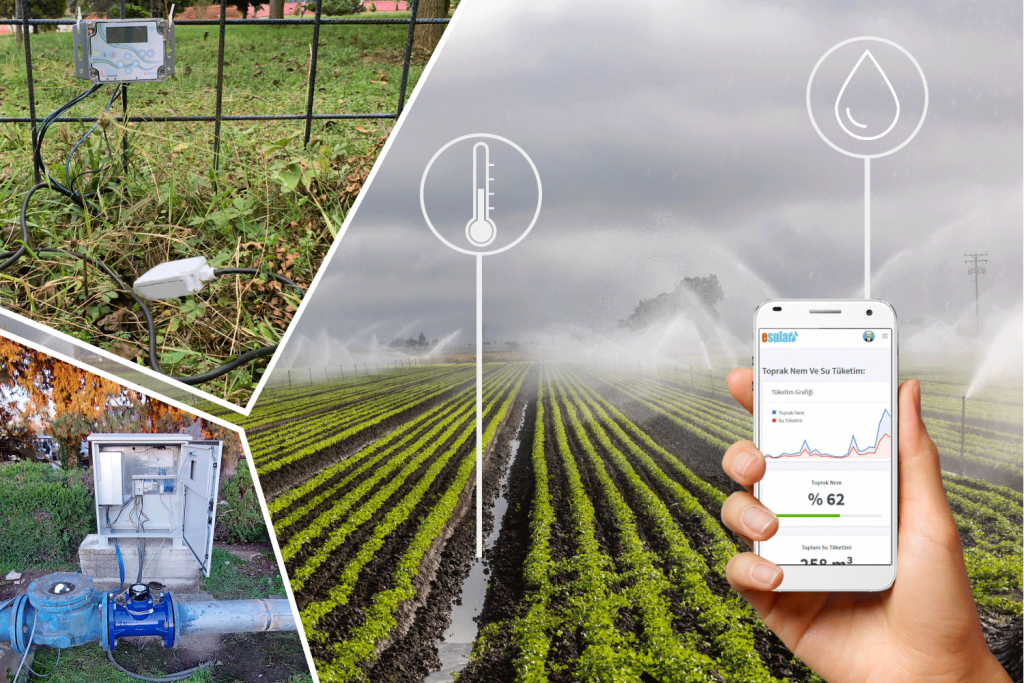
Mushroom cultivation is an agricultural process carried out depending on precise climate conditions. Various sensors and automatic systems are used to continuously provide the ideal growth environment. These systems are designed to monitor and control parameters such as temperature, humidity, and CO2 levels continuously, in order to increase production yield and maintain quality.
1. Temperature Sensors
Temperature control is very important in mushroom growing rooms. The ideal temperature should generally be kept in the range of 18-20°C. To maintain this temperature range, temperature sensors placed inside the rooms continuously measure the temperature values of the environment. When necessary, automatic heating or cooling systems are activated to keep the temperature at the desired level.
2. Humidity Sensors
Humidity level is also a critical factor in mushroom cultivation. The humidity rate, which generally varies between 70%-90%, is necessary for the healthy development of the mushroom. Humidity sensors continuously monitor the humidity level in the room and assist in making humidity adjustments. Working integrated with automatic irrigation systems, they ensure that humidity is kept at the desired levels.
3. CO2 Sensors
CO2 gas accumulating in mushroom growing rooms can negatively affect mushroom development. CO2 sensors measure the CO2 level in the room and provide fresh air by ensuring that ventilation systems are activated when necessary. In this way, the CO2 level is kept under control and the healthy growth of mushrooms is supported.
4. Automatic Irrigation Systems
The moisture needs of mushrooms are continuously monitored and met with automatic irrigation systems. These systems, working integrated with humidity sensors, perform irrigation according to the humidity level of the room and thus provide optimum growth conditions for the mushrooms.
5. Ventilation Systems
The ventilation system in mushroom growing rooms is of critical importance in terms of reducing the amount of CO2 and renewing the air inside the room. Automatic ventilation systems work at certain intervals or at certain CO2 levels, providing fresh air intake and exhausting stale air. In this way, the development of mushrooms is continuously supported.
6. Automation and Data Monitoring Systems
Modern systems in mushroom cultivation include control systems that monitor data from sensors and can make automatic decisions. These systems collect data, analyze it, and carry out appropriate interventions to optimize the mushroom growing process. They continuously provide information to business owners about the status of the rooms and automate manual interventions when necessary.
What Are the Points to Consider Before Starting Mushroom Cultivation?
- Education and Knowledge Acquisition: It is important to have basic knowledge about mushroom cultivation and, if necessary, receive training from experts. This helps you better manage the challenges you may encounter during the business process.
Market Research: It is important to research the market demand for the mushroom species you will grow and evaluate local market conditions. Evaluating market potential can help you develop strategies to sell your products.
Preparing a Business Plan: Creating a business plan for mushroom cultivation is critical for determining the financial, operational, and marketing aspects of the business. This plan should include initial start-up costs, operating expenses, and income expectations.
Choosing a Suitable Location: Choosing a suitable place for the business is very important. A place with good insulation, access to fresh air, and infrastructure such as water and electricity should be preferred. Additionally, to provide a suitable environment for mushroom cultivation, it is important that it is not close to poultry farms and not located on a stream or hill. Leaves falling from trees onto the compost production area must be prevented.
Equipment and Material Procurement: Necessary equipment and materials for mushroom cultivation must be procured. These equipment may include growing boxes, substrate materials, humidity and temperature control devices, irrigation systems, and sterilization equipment.
Hygiene and Sterilization: Hygiene is very important in mushroom cultivation. The growing environment and equipment must be regularly cleaned and sterilized. This ensures that mushrooms grow healthily and reduces the risk of disease.
Trial Before Initial Production: For those who will cultivate mushrooms for the first time, it may be beneficial to perform a small-scale production trial. This can help you learn the process and solve potential problems.
These steps cover the basic points that need to be considered before starting mushroom cultivation. Planning and preparing each step meticulously is important for a successful mushroom growing business.
Harvesting Process in Mushroom Cultivation
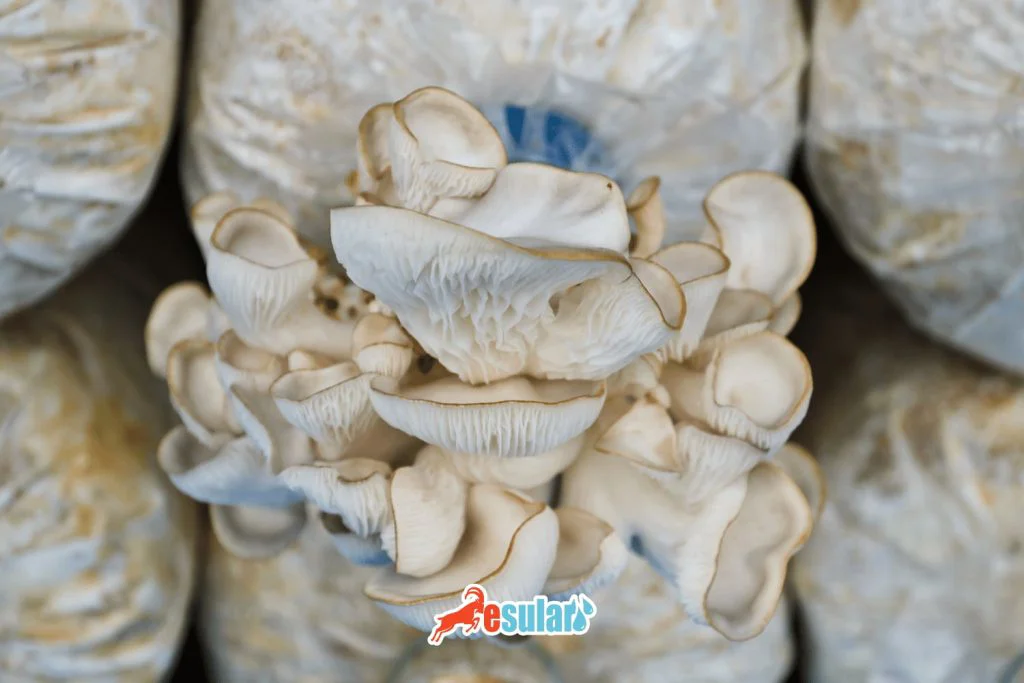
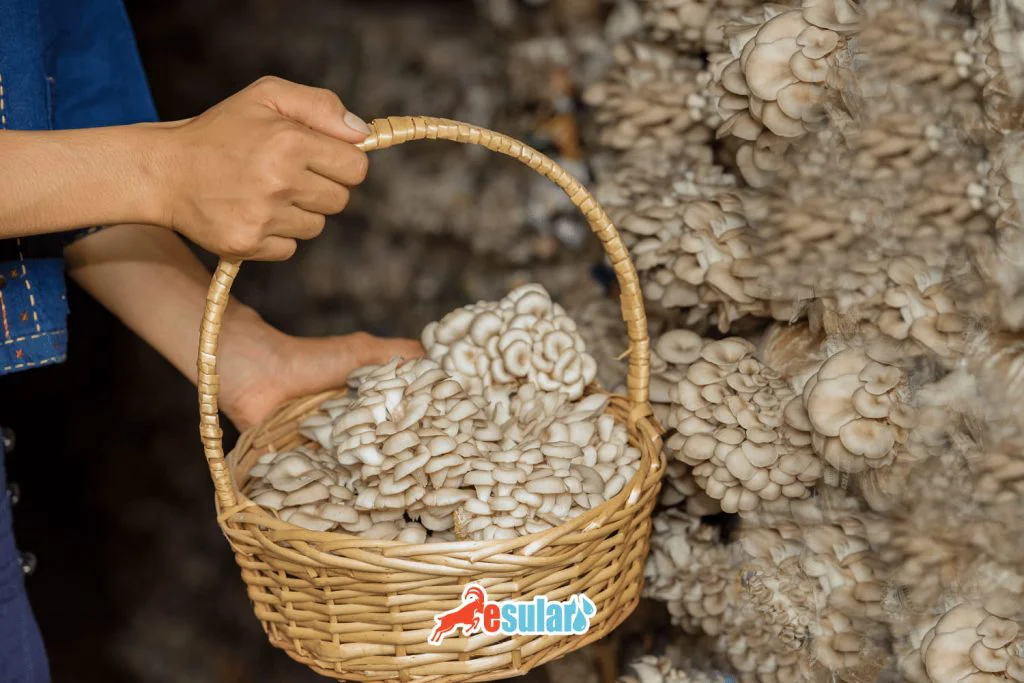
During the harvest period, the temperature of the mushroom growing room must be kept between 15-17°C. In this process, frequent ventilation of the room is important. The harvesting process is called "flush" and usually each flush lasts 2-3 days, with a total of 4-6 flushes possible. After each harvest, irrigation followed by strong ventilation is required. Care should be taken not to let the moisture on the surface of the casing soil dry out. The harvest time for mushrooms should be when the cap reaches a diameter of 3-5 cm. After each flush, the harvest amount decreases. The harvest period usually varies between 40-45 days, and 10-15 kg of mushrooms can be obtained from an area of 1 m². From a bag weighing 25-30 kg, approximately 2-6 kg of product can be obtained. An important point to consider during harvest is that the lamellae under the mushroom cap should not be visible. The opening of the lamellae can cause spores to spread onto other mushrooms or into the environment, which can cause the environment to darken.
After the completion of the harvest, the used compost and casing soil should be accumulated in an open area away from the facility. These materials are expected to stay here for about 2 years and become burned manure. Then, they are recycled as reusable casing soil by being sterilized. The emptied production room should be cleaned and disinfected. After the spraying process, it is important to keep the room closed for 24 hours and then ventilate it well. These processes are of critical importance for maintaining hygiene and ensuring a healthy production environment in mushroom cultivation.
Yorumlar