
Tüm Yazılar
How to Control Weeds?
Weed control is quite important in terms of protecting ecosystems, increasing efficiency in agriculture, and protecting local plant species. These control methods aim to prevent the distribution and take weed species under control.
Combating this problem begins with the identification of weeds. There are different types of every plant. Therefore, it is important to correctly recognize and distinguish the pest. In this article, we briefly provided information about the damages of weeds and mentioned the methods that can be used against this problem.
What is a Weed?
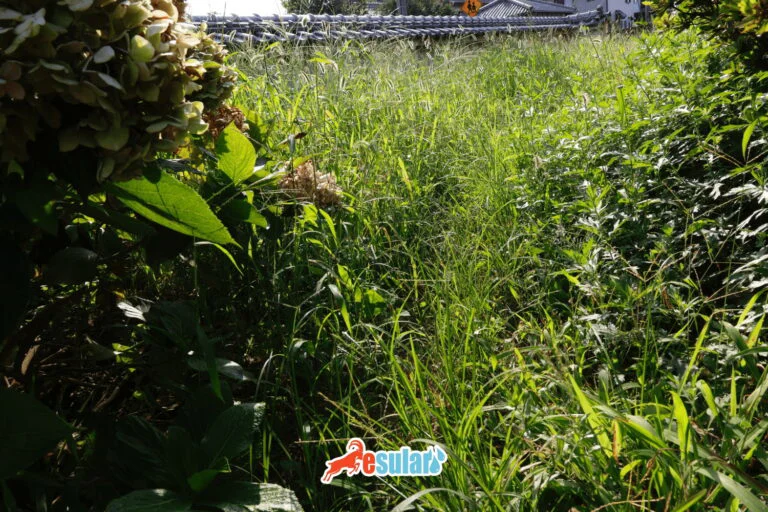
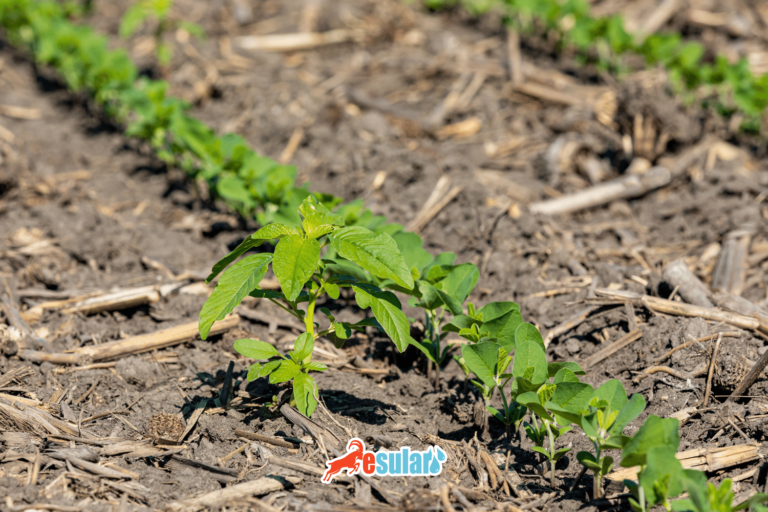
A weed is generally a plant species that is not specific to a certain area and spreads naturally without human intervention. They are species that are unwanted in agricultural areas and harm the cultivated plants. Weeds can have different biological environments; while some can grow and spread rapidly, some can remain in the soil for a long time and can be difficult to destroy in various ways.
Weeds affect the ecosystem in the region where they are located. For example, they can cause the loss of competitive advantage of local plant species, a decrease in biological diversity, a drop in the productivity of agricultural lands, and the formation of natural habitats.
What are the Damages of Weeds?
- Yield Loss: Weeds compete with agricultural plants and rapidly consume resources such as water, nutrients, and light. Thus, they lead to yield loss by preventing the growth and development of agricultural plants.
- Spreading of Diseases and Pests: Some weeds act as hosts for diseased and harmful organisms. This situation causes the reproduction of diseases and pests, leading to plant health being negatively affected.
- Occupation of Agricultural Areas: weeds, with their rapid growth ability, can replace local plant species or agricultural plants. This situation leads to loss of biodiversity.
- Environmental pollution: Chemicals used to control weeds harm the environment and human health. Additionally, it can lead to an increase in the resistance of some weeds to chemical control.
What are the Weed Control Methods?
- Cultural Control:
- Agricultural Practices: Weed growth can be prevented through agricultural practices such as soil tillage, hoeing, and planting-sowing timing.
- Mulching: By covering the top of the soil with organic material, you can prevent weeds from feeding on light.
- Rotation: Weed diversity can be taken under control by regularly changing plant species.
- Hand picking: Hand picking weeds in small gardens or at field edges is an easier method.
- Chemical Control:
- Herbicides: They are chemicals widely used in weed control. However, unconscious use can lead to great damage.
- Natural Chemical Substances: Control of weeds is possible with chemicals obtained from some natural sources.
Each of these methods can be effective depending on the spreading area, type of weeds, and degree of spread. Weed control is not just a one-time effort. Therefore, regular monitoring and application are important.
Yorumlar