
Tüm Yazılar

How Often Should Corn Be Irrigated?
Regular and adequate irrigation is quite important for the healthy growth and high yield of the corn plant. Corn is a water-loving plant and needs a constantly moist soil during the process from seed to harvest. Irrigation frequency varies depending on the climate and soil conditions in which the corn is grown. For example, in the Black Sea region, which is rich in terms of precipitation, the corn plant can generally receive the water it needs through natural rainfall, and the frequency of irrigation may be lower. However, in regions where precipitation is insufficient, the corn plant may need to be irrigated at intervals of 3-5 days. In some cases, especially in hot and dry climates, the water requirement of the corn plant can be met with weekly full irrigation. What is important is that irrigation is carried out at a sufficient depth and that the water reaches the plant roots. In this way, the corn plant can develop healthily without entering water stress, and optimal yield can be achieved. Therefore, it is of great importance to carefully plan the irrigation schedule according to the climate, soil structure, and development stages of the plant.
Periods When Corn's Water Requirement is Highest
In the corn growing process, the first irrigation should be done before or immediately after planting to improve the water content of the soil and help the seeds germinate. Generally, as the plant's growth progresses and the leaf surface expands, the water demand increases. Corn has a great need for water, especially during the flowering and early grain filling stages (60-95 days after planting), and water scarcity during these periods can negatively affect the plant's yield. The water requirement of the plant varies at different stages of the growth period. For example, while corn reaches its highest water demand during the flowering period and early grain filling, it needs less water during the early vegetative growth stages (up to 40 days after planting) and the maturation period (110 days after planting). Therefore, the irrigation plan must accurately meet the needs of the plant at each growth stage.
Excessive irrigation can also lead to significant problems. Especially during the flowering period, excess water can significantly reduce the plant's yield. Therefore, in corn cultivation, the irrigation schedule must be carefully planned, and the water requirement of the plant must be met at an optimum level at every stage.
When is the Last Irrigation Done in Corn?
The time for the last irrigation in corn is generally carried out towards the end of the plant's milk stage. Milk formation is the maturation process of the kernels on the corn cob, and this process is the final growth stage of the plant. Irrigation should be stopped when the milk line has descended halfway down the cob. This stage is a point where the water requirement of the corn decreases and excessive irrigation can negatively affect the yield. The milk formation period of the corn plant starts approximately 80-100 days after planting and can vary depending on the type of plant and climatic conditions. The milk line is a white line that starts from the base of the cob and moves upwards, and its descent to halfway indicates that the corn's maturation process has begun. The last irrigation ensures that the corn matures efficiently by meeting its water requirement, but it is also important for the plant to dry after irrigation so that the cobs are not damaged by excessive moisture. Therefore, the last irrigation time and amount should be carefully planned according to the development stage of the plant, local climate conditions, and soil type.
How Many Months Does Corn Take to Grow?
The growing time of corn can generally vary depending on the region where it is planted and the variety grown. However, in general, the growing period of the corn plant varies between approximately 3 to 4 months. Some early-maturing varieties can be harvested in a shorter time, while other varieties may take longer.
The growing process of corn consists of the following main stages:
Germination and Early Growth: After corn seeds are planted, they usually germinate within 7 to 10 days depending on soil moisture and temperature. During this period, the plant develops roots and its first leaves.
Leaf Development and Stem Growth: After germination, the corn plant starts to grow rapidly and expands its leaves. The stem strengthens and the plant height increases.
Flowering and Cob Formation: Generally, 40-50 days after planting, the corn plant starts to flower. During this period, the plant prepares for cob formation and produces pollen.
Grain Formation and Maturation: Within approximately 20-30 days after flowering, corn cobs begin to mature and kernels are formed. Milk formation is the period when the kernels of the cob reach milk fullness and is the final stage of the plant's growth.
In total, the corn plant generally grows and matures between 80 to 100 days. However, this period may change according to the climate, soil conditions, and the variety grown.
Most Efficient Irrigation in Corn - Smart Irrigation
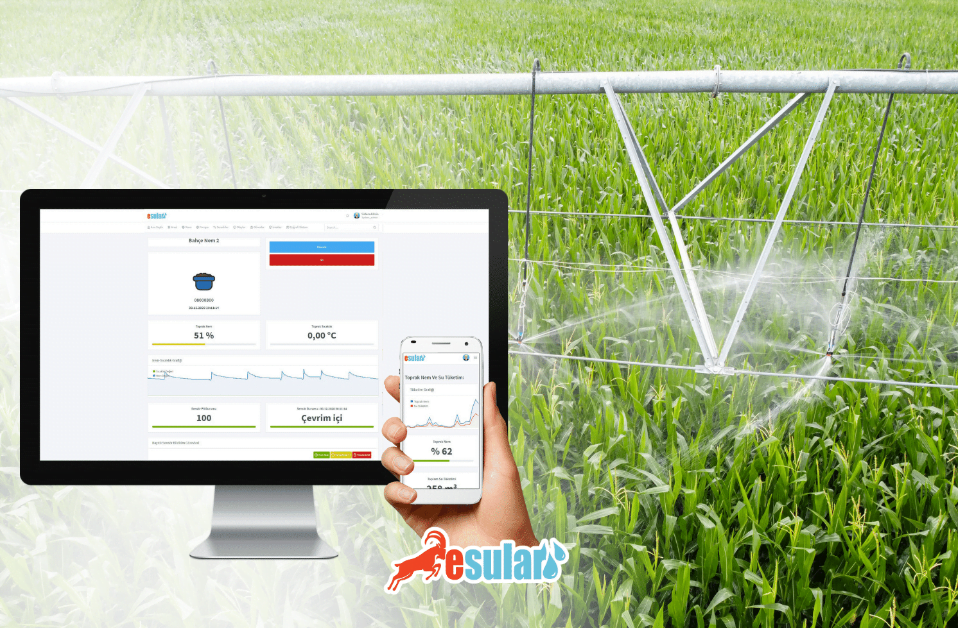
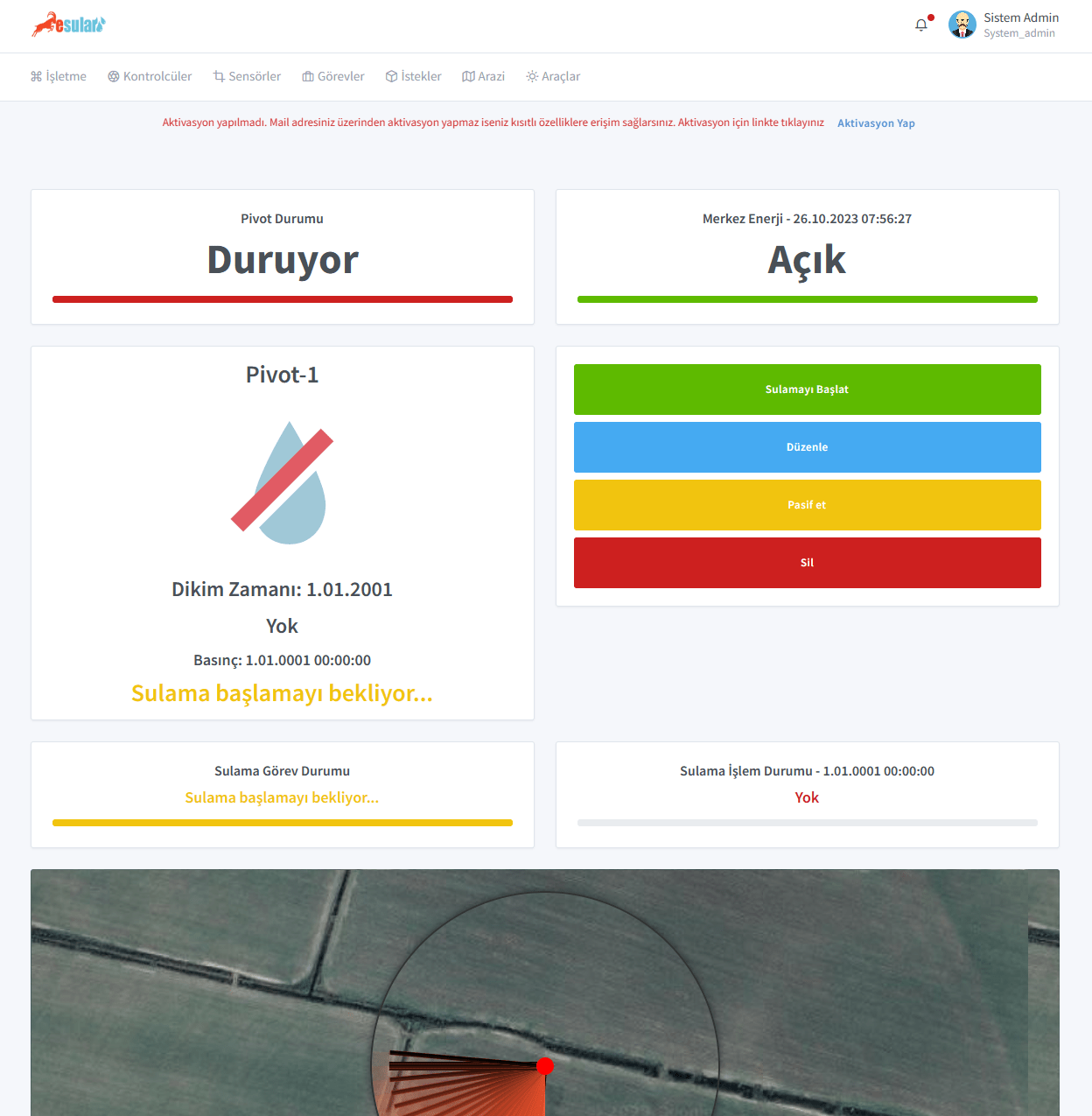
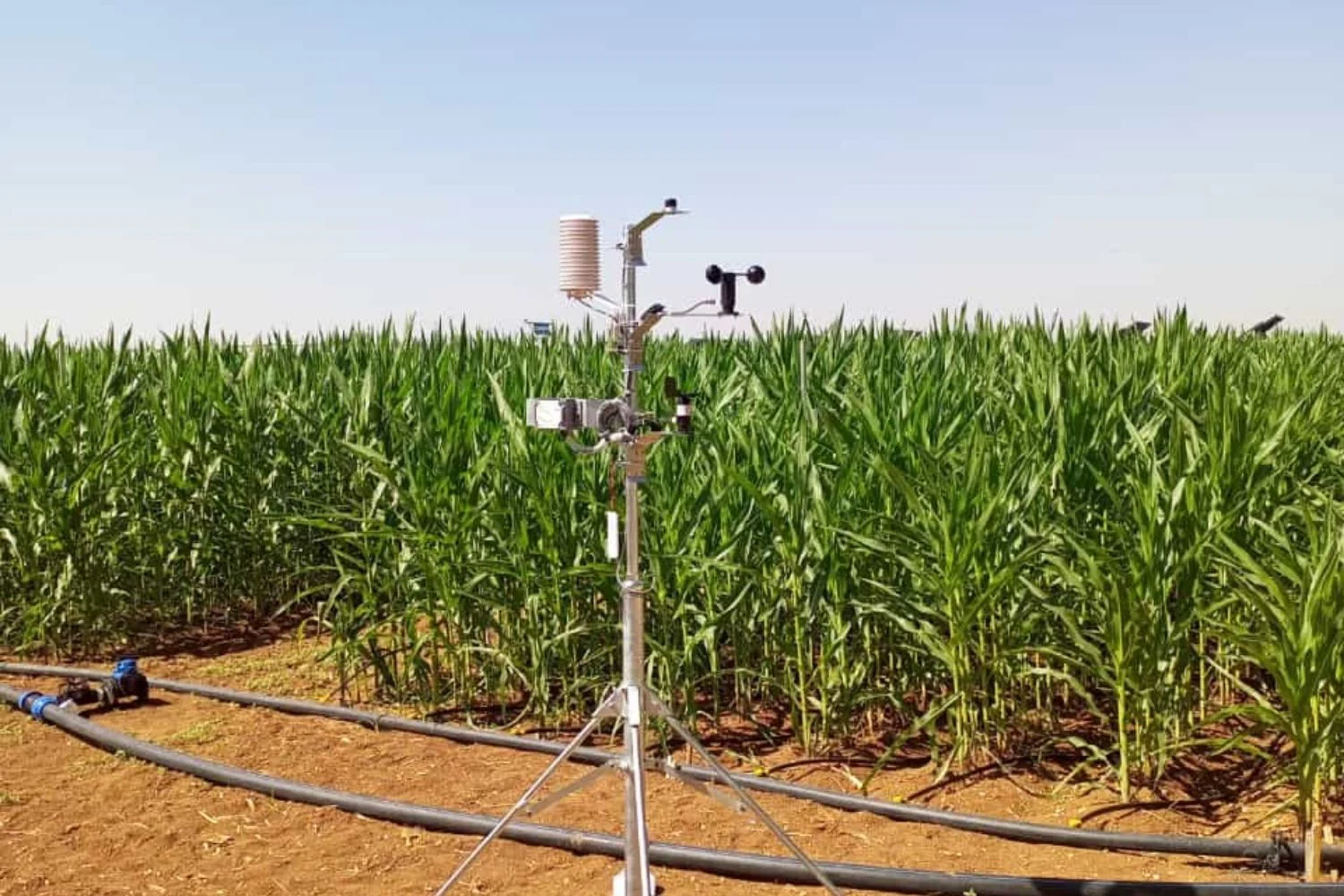
Our system determines the irrigation needs of corn fields accurately and just in time using soil moisture sensors, pressure sensors, and other smart technologies. In this way, farmers can ensure that the corn plants are kept in the most suitable growth conditions by ensuring the optimum use of water. One of the biggest advantages of our system is that it offers remote access and control. Farmers can monitor and manage the system from anywhere via their smartphones or computers. This feature allows them to flexibly adjust irrigation schedules and manage fields remotely.
In addition, thanks to the fault and leak notifications in our system, farmers can quickly detect and resolve potential problems, which prevents water losses and ensures the longevity of their systems. Esular smart irrigation systems also offer strong durability with their built-in battery feature. It continues to work even during power outages, thus providing uninterrupted irrigation and offering a reliable solution to farmers. Equipped with these innovative technologies, ESULAR smart irrigation systems not only provide water savings and cost reduction to corn growers but also pave the way for sustainable agricultural practices by increasing crop yield. Modernly designed to meet the requirements of modern agriculture, these systems offer farmers a more efficient and profitable farming experience. You can contact us for more detailed information. ,https://esular.com/misir-yetistiriciliginde-en-iyi-alternatif-akilli-sulama-sistemleri
What are the Irrigation Methods Used in Corn Cultivation?
Irrigation methods used in corn farming allow farmers to choose based on water resources, soil characteristics, and climate conditions. Here are three commonly used irrigation methods:
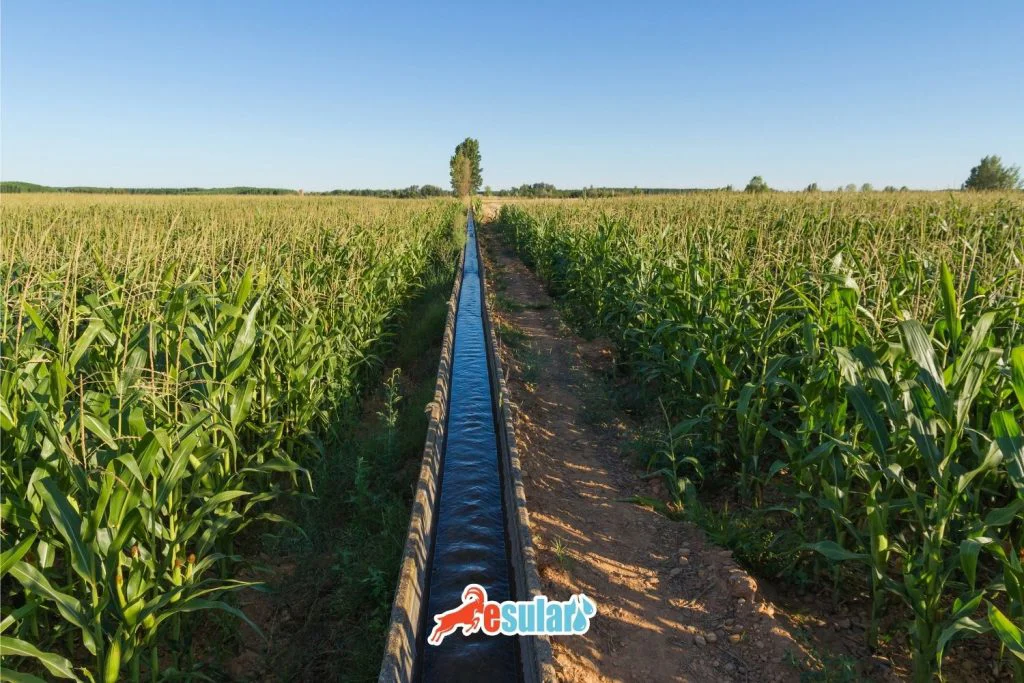
Furrow and Basin Irrigation: This method is preferred in flat or slightly sloped areas with abundant water resources. Water is given through channels opened in the direction of the slope of the field. However, its use is limited in areas with a high risk of soil erosion and in heavy soils with poor drainage. It should also be applied carefully in soils with high salt content for corn.
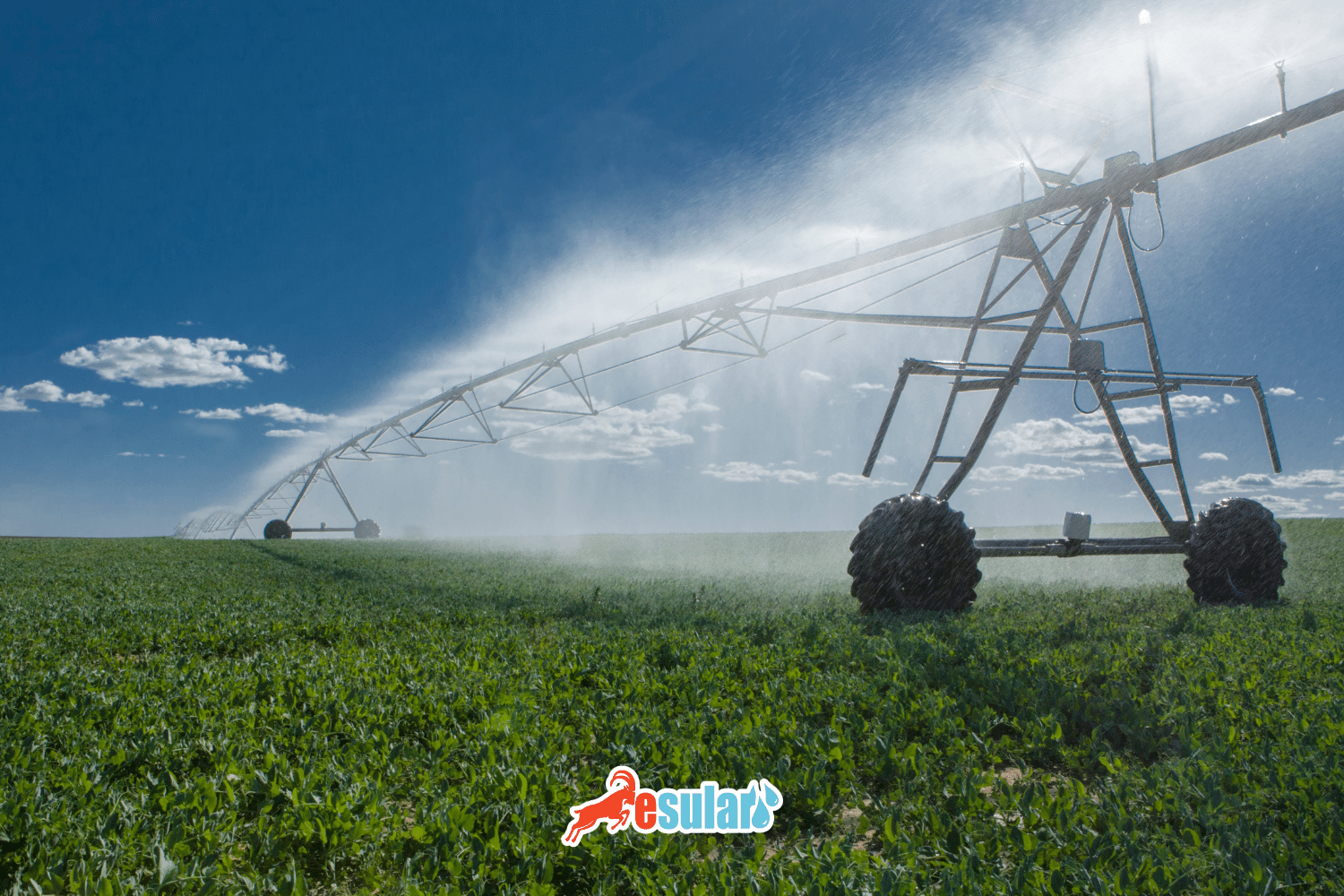
Sprinkler Irrigation: In this method, which is widely used in large fields, water is sprayed through pipes operating at high pressure. Sprinklers can lower the temperature and reduce plant transpiration by changing the microclimate conditions around the plant. However, water loss is high due to wind drift and evaporation. Also, water spraying during the flowering period can negatively affect pollination and fertilization processes.
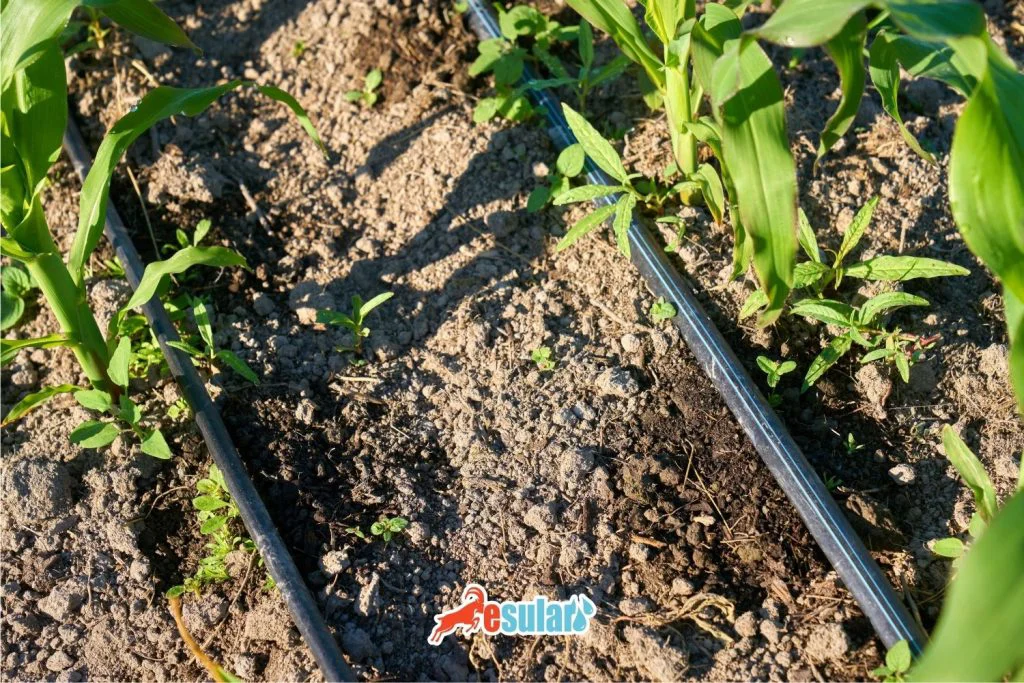
Drip Irrigation: Drip irrigation, which provides water savings and increases the water use efficiency of corn, is becoming increasingly popular. In this method, water is given slowly and directly to the root zone of the plant through emitters located on low-pressure pipes. Not wetting the leaves reduces the risk of fungal diseases and ensures more efficient use of irrigation water. In some regions, for example, in Italy, a special LPS (Low Pressure System) is used, which allows the irrigation of large areas.
Each irrigation method has advantages and disadvantages, and farmers should benefit from local experts and experiences to choose the one most suitable for their own field conditions. When planning an irrigation schedule in corn cultivation, it is important to use water resources effectively, increase productivity, and pay attention to environmental factors.
Yorumlar