
Grape Cultivation
Turkey is one of the countries with ideal climate conditions for grape cultivation. Our country has a long history and is considered a gene center for grapes in the world. 10% of world grape production belongs to Turkey. Although grape formation takes place in many different regions, it is cultivated intensively especially in the Aegean, Mediterranean, and Southeastern Anatolia regions.
Grape cultivation is a business sector that can provide high profits and sees continuous demand. Grapes are of great importance for human health with the vitamins A, B2, and C they contain. In addition to these vitamins, its high flavor and ability to be used in various ways are among the features that make grapes valuable.
How is Grape Cultivation Done?
Grape cultivation involves a meticulous and correct process. The first step is the selection of suitable soil; well-drained, humus-rich, and slightly alkaline soils should be preferred. Soil analysis allows for making necessary adjustments by determining soil characteristics. Seedling selection and planting form the foundation of a healthy vineyard. Soil preparation and fertilization processes prior to planting are of great importance. Irrigation should be carried out regularly, especially in the summer months, but excessive irrigation should be avoided. Pruning applied in the winter months increases yield and protects the health of the plant. Fertilization is important to meet the nutrient needs of the plant and should be planned according to soil analysis results. Combating diseases and pests should include periodic checks and correct chemical control methods. Harvest time varies depending on the grape type and purpose of use. Patience, knowledge, and attention are required for successful grape cultivation.
Growing Conditions of Grapes
The grape is a plant that needs specific growing conditions. These conditions are important for the plant to continue its healthy growth and fruit yield at the maximum level. Firstly, suitable climate conditions are necessary for the grape plant. Ideally, temperate climates are the most suitable environments for growing grapes. The plant should not be affected by cold winter months and should be protected from frost events.
Soil quality is also an important factor in grape cultivation. Well-drained, humus-rich, and slightly alkaline soils are soil characteristics conducive to the healthy development of the grape plant. Performing soil analysis provides the opportunity to make necessary adjustments by determining the nutrient levels in the soil.
Sunlight also plays a critical role in the growing conditions of the grape. Generally, vineyards should be exposed to the sun for at least six hours. This is necessary for the plant to photosynthesize and grow healthily.
Irrigation is an important management element in grape cultivation. The plant needs regular and sufficient irrigation, especially during the fruit formation period. However, excessive irrigation should be avoided, and soil moisture levels should be carefully monitored.
Finally, suitable pruning and fertilization methods also determine the growing conditions of the grape plant. Correct pruning keeps the branches of the plant under control and increases fruit yield, while a balanced fertilization program meets the nutrient needs of the plant.
The combination of these conditions is important to ensure successful and efficient production in grape cultivation.
Soil Requirements of Grapes
The soil characteristics of the area where the vineyard will be established are of critical importance in grape cultivation. Since vine roots generally extend deep, they usually prefer soft soils. Therefore, the good water-holding capacity of the soil is important. Even if the amount of nutrients in the soil is not high, it is possible to grow grapes. However, productivity can be increased by increasing the amount of nutrients in the soil through the fertilization process.
Basically, grapes generally prefer to be grown in clayey soils. However, there may be some changes in soil type depending on the grape variety. For this reason, it is important to first decide which type of grape will be grown and then perform soil analysis. Correcting deficiencies depending on the content of the soil is important before starting the cultivation process.
Establishment of a Vineyard
In the establishment of a vineyard, the process of plowing the soil in the autumn months is quite important. After the plowing process is completed, planting holes should be opened. These holes being in the east-west direction provides protection from the harmful effects of the sun. If the land has a sloping structure, the holes must be vertical.
Other factors to consider in the establishment of the garden are row-to-row and intra-row distances. According to the recommendations of experienced grape growers, the ideal intra-row distance should generally be between 1.5-2 meters. The distance between rows should generally be at the level of 2.5-3 meters. The depth of the holes dug is generally 2 shovels deep, and the diameter should be the size of 1 shovel.
Fine soil and well-rotted animal manure added to the holes are important for increasing the quality of the product. These steps lay the foundation for the healthy and efficient establishment of the vineyard.
Planting Procedures in Grape Cultivation
Planting procedures in grape cultivation are an important stage that requires care and attention. Prior to planting, the roots of the vine saplings should be pruned properly. The pruning process is completed by cutting the side and throat roots. Then, the saplings whose pruning process is completed should be planted right in the middle of the opened holes. It is important that the sapling is placed firmly in the hole. Additionally, the sapling's need to breathe and the need for life water should also be considered during the planting process.
During planting, it is also important to plant pollinator varieties. However, this rule does not apply to all grape varieties. In the planting of pollinator varieties, an arrangement should be made such as 1 per 0 vines, 1 per 2 rows. The arrangement to be preferred in planting operations can be in the form of a square, triangle, or rectangle. It is also possible to obtain good yields in plantings made in these different arrangements. A healthy and orderly installation at the planting stage will form the basis of successful grape cultivation.
Fertilization Procedures in Grape Cultivation
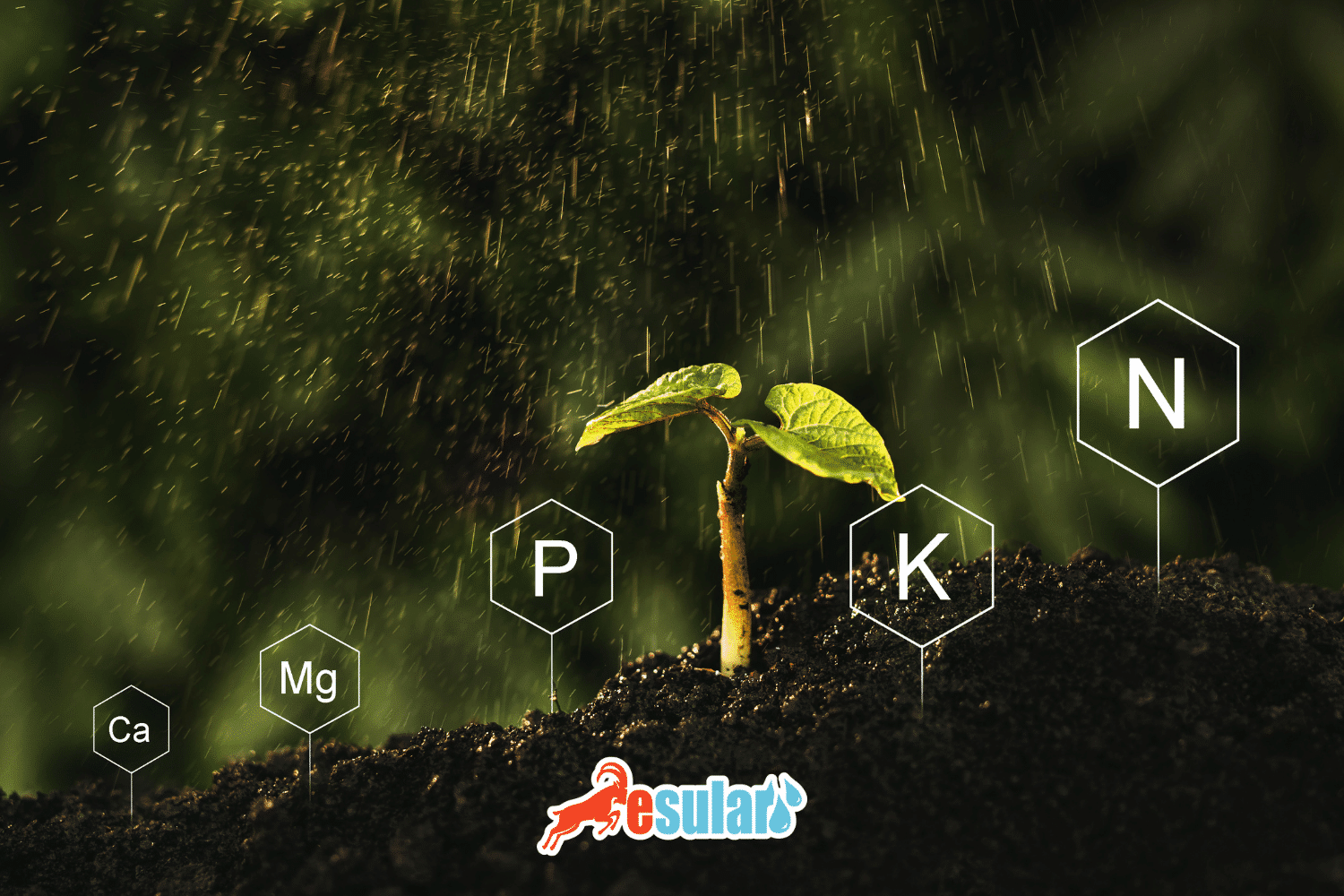
In grape cultivation, production is generally carried out on lands where the nutrient ratio is low. The grape plant has the ability to grow in soils with low nutrient content. However, this does not mean that the grape does not have nutrient needs; on the contrary, it stems from the plant's ability to grow in these conditions. Therefore, the use of farm manure is important to provide the necessary elements to the soil.
However, using only well-rotted animal manures may not be sufficient. Therefore, commercial fertilizers should also be used. Before using fertilizer, soil analyses should be performed and the current status of the soil should be determined. According to the analysis results, appropriate fertilizers are selected and the fertilization process is carried out. Nitrogen and phosphorus are the prominent elements in the content of fertilizers. The amounts per decare generally require the use of fertilizers containing 10 kg of nitrogen and 8 kg of phosphorus. Fertilization procedures are important for the healthy growth of the grape plant and for obtaining productive products.
Irrigation Procedures in Grape Cultivation
Irrigation procedures in grape cultivation are of critical importance for the healthy growth of the plant and obtaining productive products. By establishing modern irrigation systems in vineyard areas, the water needs of the grape plant can be met regularly and effectively. These systems help minimize negative effects by preventing water deficiency in June and July when grapes develop fastest.
For those growing table grape varieties, if a rainy period has passed in the winter months, it may not be necessary to water the plant in the spring months. However, if drought has occurred during these periods, irrigation should be carried out in the spring months. While it is recommended to irrigate 2-3 times in newly prepared vineyards, the irrigation need in mature vineyards can go up to 5-6 times. Irrigation procedures are important for preventing water deficiency during the growth periods of the grape plant and for obtaining healthy and high-quality products.
Grape Harvest
Grape harvest is carried out at a stage when the grapes reach full maturity. After the ripening process, grapes do not continue to ripen once they are harvested. It is important that grapes to be used for table consumption reach full maturity and are harvested when they reach this stage. Harvesting generally starts from the south-facing sides of the vineyards, and starting the harvest in the morning hours so that it is completed before the grapes heat up is an ideal practice.
Regardless of whether they are for drying or table use, scissors must be used when harvesting grapes. Alternatively, a knife can also be used, but it is a practice where hand picking is strictly not recommended. It is important that the clusters to be harvested are mature, healthy, and sufficiently large. Harvested grapes can be transported to sales points by being placed neatly in crates.
Grape harvest is a critical stage that determines the quality and flavor of the grape. Therefore, carrying it out at the right time and in the right way is important for grape producers.

Yorumlar