
Tüm Yazılar
Fertilization and Irrigation Automation
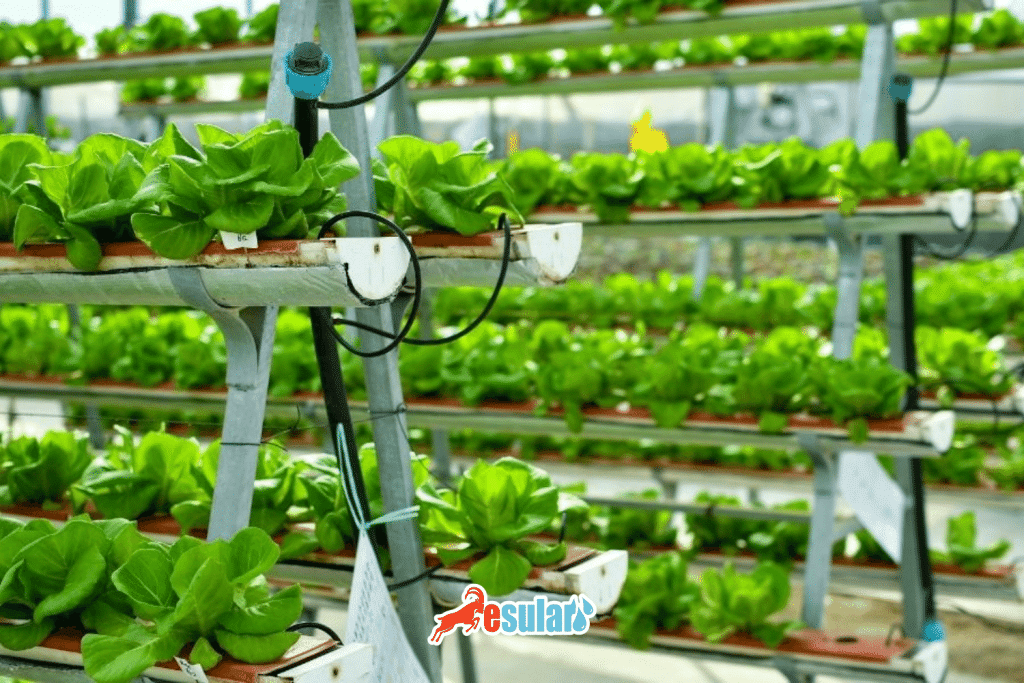
Fertilization and irrigation automation emerges as a revolutionary innovation in the agricultural sector. These systems offer farmers a more precise, efficient, and sustainable approach in plant cultivation processes. Especially considering variable climate conditions, soil structure, and plant needs, the advantages offered by automation become even more evident. Fertilization automation ensures that plants are fed correctly and on time in accordance with their growth periods. Irrigation automation, on the other hand, ensures the effective and efficient use of water resources. Soil moisture sensors continuously measure factors such as rainfall, evaporation, and plant water consumption. In line with this information, irrigation programs are automatically adjusted, ensuring that plants have the most suitable moisture levels without experiencing water stress. This both provides water savings and helps plants grow in a healthy and balanced way.
Another important advantage of fertilization and irrigation automation is that it provides farmers with time and labor savings. While manual fertilization and irrigation processes can be quite time-consuming and laborious, these processes are carried out automatically thanks to automation. Farmers can thus focus on their other tasks, increasing work efficiency. As a result, these technological innovations allow for the adoption of sustainable agricultural practices, more efficient use of natural resources, and the production of higher quality agricultural products. Therefore, with the benefits it provides to farmers, society, and the environment, fertilization and irrigation automation is an important factor shaping the future of modern agriculture.
What is Fertigation?
Fertigation is the combined application of irrigation and fertilization. In this way, both the nutrient and water needs of the plant are met. Consequently, the plant can easily access nutrients throughout its growth period. On the other hand, the accumulation of harmful substances in the soil is prevented. Water and fertilizer use efficiency is important from both economic and environmental perspectives. Excessive irrigation and fertilizer applications lead to the pollution of groundwater through deep percolation. Therefore, combining drip irrigation with fertigation is considered an environmentally friendly agricultural practice. This helps in the long-term protection of soil, water resources, and ecosystems, and promotes sustainable agriculture.
This method can be used in almost all irrigation methods, but when fertigation is mentioned, the drip irrigation method comes to mind first. The reason for this is the difficulties encountered in other irrigation methods. In the surface irrigation method, when land leveling cannot be done perfectly, successful fertilization cannot be achieved. In sprinkler irrigation, in cases where the fertilizer concentration is high, it can cause some diseases and damage to plant leaves. Considering these conditions, when fertigation is mentioned, the drip irrigation method comes to mind first.
Advantages of the Fertigation Method
Advantages of the fertigation method can be listed as follows;
- Since fertilizers are given to the root zone of the plant along with water, extra fertilizer is not given to places where root development does not occur.
- By applying less fertilizer and water through fertigation, both production costs and groundwater pollution are reduced.
- Ensures that nutrients are delivered to the root zone completely and evenly. Thus, by ensuring the control of water and nutrients in the soil, the loss of nutrients through leaching and surface runoff is prevented.
- Provides energy and labor gains.
- Product yield and quality increase.
- Exposure of applicators to the applied chemicals is reduced.
- Provides the opportunity to fertilize when necessary without introducing machinery to the field.
- Increases the efficiency of fertilizers by increasing the availability of saline nutrients.
- Reduces the negative impact of wastewater.
- Fertilizer losses due to leaching are minimized.
- Since the upper parts of the plants are not wetted, it becomes easier to combat diseases.
- If desired, suitable agricultural pesticides and other chemical substances can be applied simultaneously.
- Suitable for automation.
Injectors Used in Fertilization with Fertigation
Injectors used in fertilization with fertigation;
- Fertilizer tank
- Piston pump
- Venturi injector system
Fertigation with simple fertilizer tank: This tank is a cylindrical, epoxy-painted, pressurized metal tank resistant to irrigation system pressure and is connected as a bypass to the pressure control pipe. The fertilizer tank works with the pressure difference created by partially closing the valve connected to the pipeline between the tank inlet and outlet. A portion of the water flow is diverted from the main line and enters the tank from below. This water flow mixes with the fertilizer solution, and the diluted solution is delivered to the irrigation system. The fertilizer concentration is high at the beginning and very low at the end of the operation.
Piston pump: This type of injector takes its power from the water pressure of the system and can be installed directly on the source line rather than on a bypass line. The irrigation system water flow moves the pistons and works by delivering the fertilizer solution from a tank to the system while maintaining a constant injection rate. Depending on the irrigation system pressure, the injection rate varies between 9-2500 liters/h. These injectors, made of durable plastic material, are available in different models and sizes. Piston pumps are much more expensive than Venturi type injectors.
Venturi injector system: This injector is based on the Venturi tube principle. A pressure difference is required between the injector inlet and outlet. For this reason, it is connected to a bypass arrangement installed over an open tank containing fertilizer solution. The injection rate of the Venturi type injector is very sensitive to pressure changes, and sometimes small pressure regulators are needed for a constant injection. Friction losses are approximately 1.0 bar. Venturi injectors are produced from plastic material in sizes of 1/2 – 2 inches and with injection rates of 40-2000 liters/h. Compared to other injectors, venturi injectors are relatively cheaper.
4 main factors should be considered in the selection of fertilizer for fertigation
- Plant variety and growth period
- Soil conditions
- Water quality
- Availability / utility and price of the fertilizer
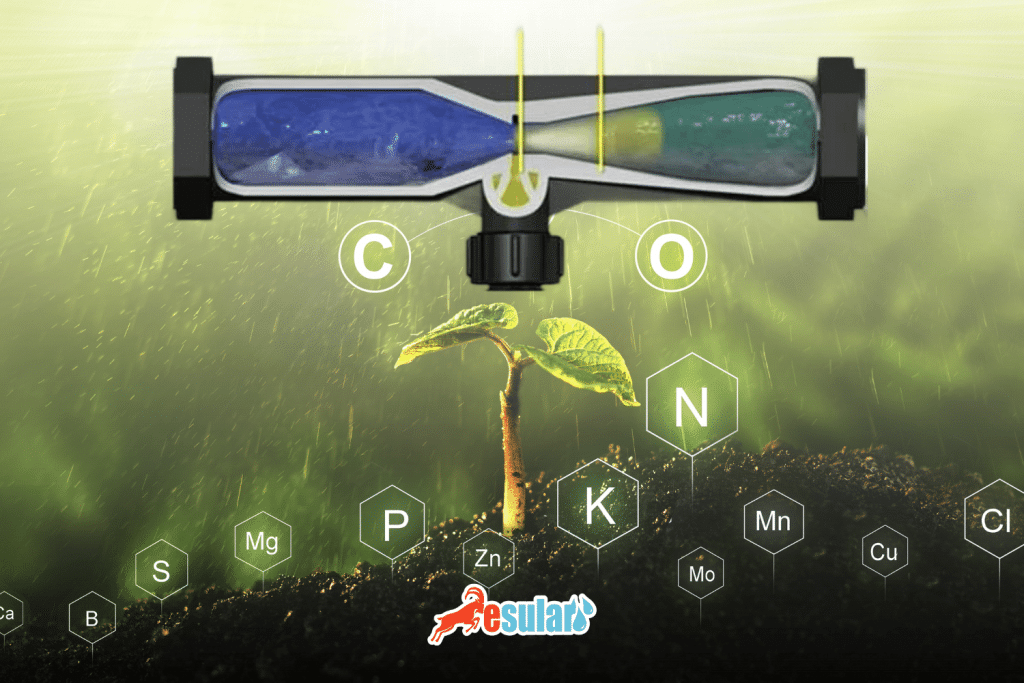
Absolutely Essential Plant Nutrients in Fertigation
Plants need certain substances to develop healthily. These mineral substances that plants need are called absolutely essential nutrients. The absence of one or more of these substances in the growing environment causes plants to be unable to complete their normal development. This results in yield and quality loss in the product. These nutrients are;
| Absolutely Essential Nutrients | |||
|---|---|---|---|
|
Carbon (C) |
Potassium (K) |
Copper (Cu) |
Hydrogen (H) |
|
Sulfur (S) |
Manganese (Mn) |
Oxygen (O) |
Calcium (Ca) |
|
Molybdenum (Mo) |
Nitrogen (N) |
Magnesium (Mg) |
Boron (B) |
|
Phosphorus (P) |
Iron (Fe) |
Chlorine (Cl) |
Sodium (Na) |
When all these factors are evaluated together, it is understood that our agricultural soils are not in as good a condition in terms of productivity as thought. In order to carry out agriculture in a scientific sense, the characteristics of the soils should be well known and fertilization programs should be made accordingly.
Frequently used nitrogenous fertilizers;
Nitrate fertilizers: Calcium nitrate, potassium nitrate, and magnesium nitrate fertilizers containing nitrogen in nitrate form are also available. Concentrated nitric acid (HNO3) used in greenhouse production both to reduce the pH value of irrigation water and to clear blockages occurring in the drip irrigation system contains 17% nitrogen (N) by volume.
Ammonium and nitrate fertilizers (% 15 – 34.5 N): These are fertilizers containing nitrogen in both ammonium (NH4) and nitrate (NO3) forms. In our country, ammonium nitrate fertilizers containing 26% N and 33% N are produced. The 26% N and 33% N types of ammonium nitrate (NH4NO3) fertilizer are mostly used in agriculture for top-dressing (during inter-row cultivation, in irrigation, on top of the soil in cereals). Types containing 33% N or 34.2% N can mostly be given to plants via drip irrigation and sprinkling. Although ammonium nitrate fertilizer is a neutral reaction fertilizer, it may show a very slight acidic character due to the conversion of ammonium ion to nitrate and NH4 uptake.
Frequently Used Phosphorus Fertilizers;
Mono Ammonium Phosphate (MAP): It is a compound fertilizer containing phosphorus and nitrogen together in its structure. The fertilizer also known as MAP contains 11-25% nitrogen (N) and 48-51% phosphorus (P2O5). Due to its very high total active matter (approximately 70-75%), it is the most used fertilizer with drip irrigation as a phosphorus source in greenhouse cultivation. MAP is a fertilizer with a slightly acidic character containing high proportions of phosphorus, and almost all of the phosphorus it contains becomes available for plants.
Diammonium Phosphate (DAP): Like MAP, it is a compound fertilizer containing phosphorus and nitrogen together. DAP fertilizer contains 16-18% nitrogen (N) and 48-51% phosphorus (P2O5). It is in granule form in dark gray or off-white color. It contains 3 kg of phosphorus for every 1 kg of nitrogen. Therefore, it is mostly used as a phosphorous fertilizer. A large part of the phosphorus it contains, about 90%, is in water-soluble form. Physiologically, it has a slightly alkaline character. As it comes into contact with soil and decomposes, its reaction becomes acidic.
Mono Potassium Phosphate (MKP): MKP is a compound fertilizer containing 52% P2O5 and 34% K2O. It has a high water solubility rate, does not contain additive fillers, has a white crystal structure, and a physiological acid character. Like MAP fertilizer, it can be used with drip irrigation and in foliar fertilization. When dissolved in water, the phosphorus in its structure can be easily taken up by plant roots under slightly acidic greenhouse conditions. In terms of plant nutrients, it has the highest active matter (52% P2O5 + 34% K2O = 86%) among all fertilizers.
Frequently Used Potassium Fertilizers;
Potassium Nitrate (KNO3): Potassium nitrate is in white and crystal structure and is a fertilizer containing potassium and nitrogen elements together. It is a fertilizer with a high water solubility rate, physiological alkaline character, containing 13% nitrogen in nitrate (NO3) form and 46% potassium equivalent to K2O. This fertilizer, which is widely used in drip irrigation and foliar application, has been produced in recent years as a physiological acid character "low pH KNO3" fertilizer, ensuring safer use in the fertilization of plants with drip irrigation. Potassium nitrate fertilizer should be given along with sowing or after sowing, especially in irrigated and rainy regions.
Potassium Sulfate (K2SO4): This fertilizer, which looks like off-white salt in crystal structure, contains both potassium (50-53% K2O) and sulfate (18% S). Because it does not contain chlorine and contains potassium and sulfur together, it is widely used in vineyard-orchard agriculture and greenhouse cultivation from the soil and with drip irrigation. Potassium sulfate is in physiological acid character and can lower soil pH when applied continuously to the same soil. It should be given to the soil along with sowing; it is successfully applied to plants sensitive to chlorine such as potatoes, tobacco, citrus, and beets.
Points to Consider in Fertigation Fertilizer
In order for fertilizer and other chemicals to be applied effectively and correctly in fertigation, it is extremely important to act according to the information given below.
- Fertilizers that do not dissolve completely in water (such as urea and ammonium sulfate) are harmful to the drip irrigation system. If these fertilizers must be used, the fertilizer must be dissolved in another container beforehand and put into the fertilizer tank after the solids are filtered.
- Before the fertilizer solution is given to the irrigation system, only water should be given until the operating pressure is reached.
- With fertigation, it is possible to apply other macro and micro plant nutrients together with nitrogen, phosphorus, and potassium in appropriate ratios and amounts.
- In the fertigation method, although some plant nutrients dissolve completely in water, they may react with other nutrients within the system or with ions present in high amounts such as calcium or magnesium in the irrigation water to form precipitates. Therefore, knowing the quality of the irrigation water and the compatibility properties of the fertilizers is extremely important for success in practice.
- If the irrigation water is calcareous, phosphorous fertilizer should be given to the soil as a base fertilizer.
- The annual fertilizer requirement of plants can be divided by the number of irrigations to calculate the fertilizer amount required for fertigation. However, the amount of fertilizer in the irrigation system should not exceed 5 g/ L.
- In fertigation, the fertilizer type should be of high quality, high solubility and purity, with a low salt index and an appropriate pH.
- Fertilizers containing phosphate and fertilizers containing calcium should not be used together.
- After fertilization is completed, the drip irrigation system should continue to be operated with only water for 10-15 minutes.
- The pH level of the irrigation water used in fertigation should be between 5.5- 6.5. To maintain this range, acids such as phosphoric acid, nitric acid, sulfuric acid, or hydrochloric acid can be used. Otherwise, blockages may occur in laterals and emitters.
- When using acid, acid should be added to water, but water should not be added to acid.
- Never mix an acid or acidic fertilizer with chlorine. Acid and chlorine should not be stored in the same room.
- A concentrated fertilizer solution should not be mixed with another concentrated fertilizer solution.
- A compound containing calcium should not be mixed with a compound containing sulfate. This is because an insoluble gypsum mixture will form as a result.
- At the end of the irrigation season, the irrigation system should be cleaned by operating it with 0.3% Nitric Acid.
- High concentrations of some fertilizer combinations can cause crystallization and clogging of pipes.
Concentrations causing crystallization
- Calcium nitrate + ammonium sulfate = calcium sulfate
- Calcium nitrate + potassium sulfate = calcium sulfate
- MKP + calcium phosphate = calcium phosphate
- MAP + calcium nitrate = calcium phosphate
- Phosphoric acid + calcium nitrate = calcium phosphate
Automatic Fertilization and Fertigation Systems
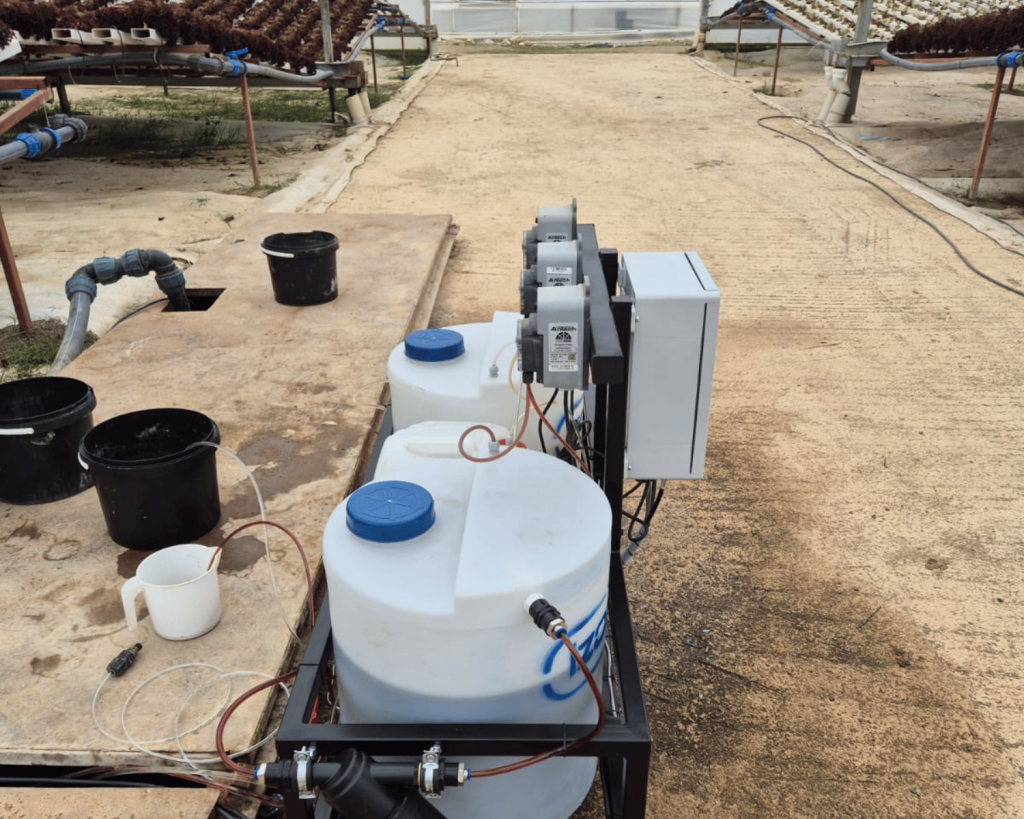
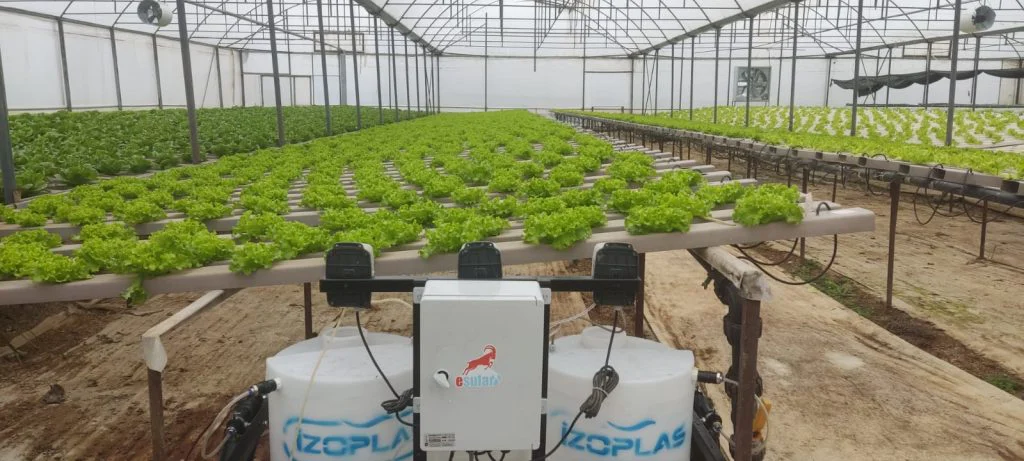
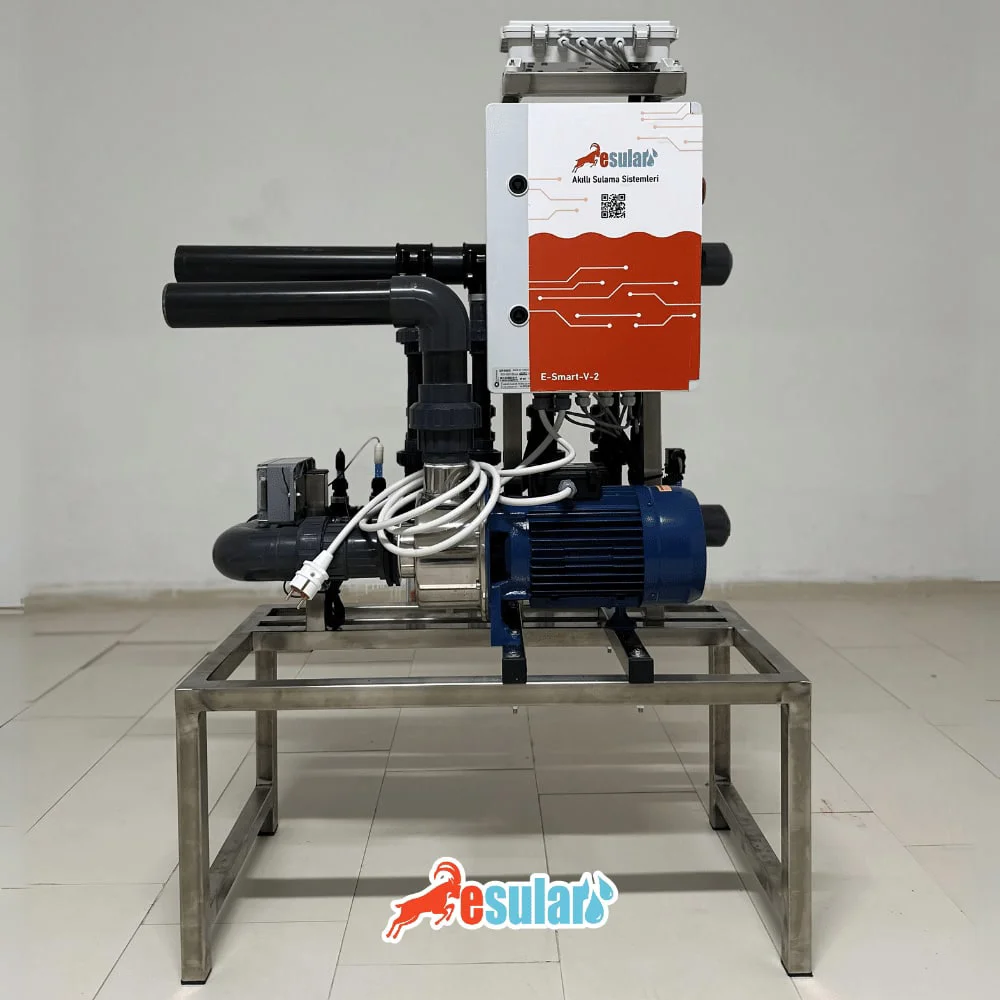
Automatic fertilization systems ensure the delivery of the fertilizer required by the plant by providing the mixture of fertilizer and water. Especially with the widespread use of liquid fertilizers and the development of soilless agriculture applications, its need has begun to increase more. Here, the aim is to perform the process of injecting the fertilizer into the system automatically.
Automatic Fertilization Working Principle:
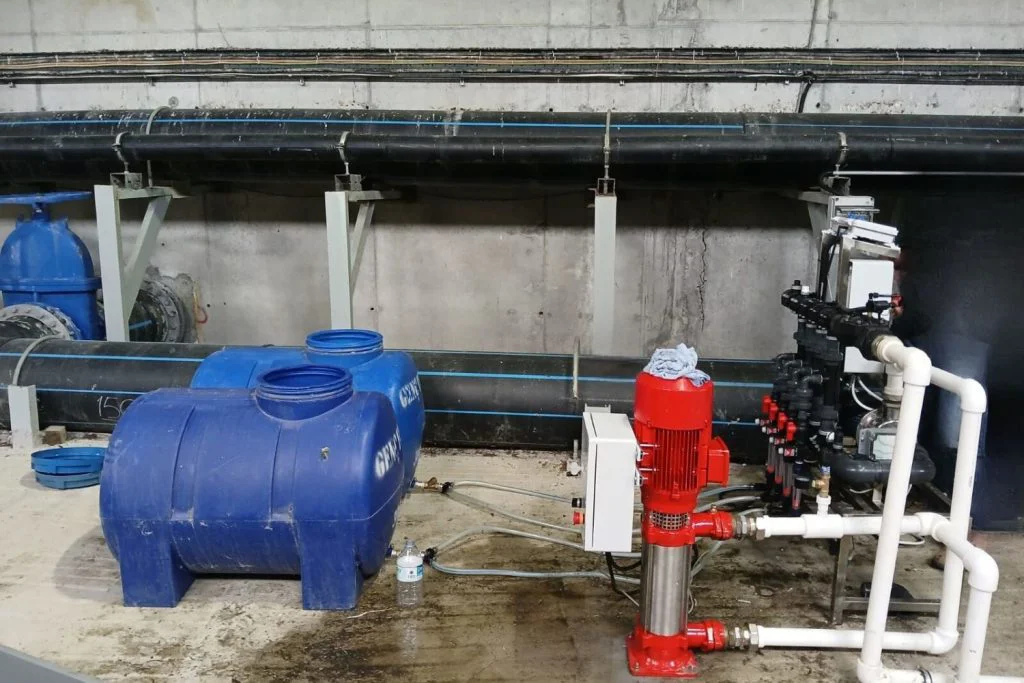
It dosages various fertilizers and acids in the mixing chamber as a homogeneous solution and injects them into the irrigation water main line. The suction of fertilizer and acid in the dosage channels is based on the venturi principle. This is based on differentiating the pressure existing in the main line. It can be designed in 3+1, 4+1, 5+1 forms according to needs.
Main Components of Automatic Fertilization
Venturi: This equipment works according to the known Venturi principle. As a fluid moving within a venturi passes through the venturi constriction zone, an increase in its speed occurs, and a back pressure is formed in this zone due to this increase. This back pressure creates a vacuum effect within the constriction zone without spending extra energy, causing the transfer of the fluid. There are many different types of Venturi. The simplest and easiest to use is the type we used in this system, which does not require additional equipment other than the narrowing of the flow path. During the use of the Venturi, there should be a check valve on the line going from the solution tank to the venturi to prevent backflow.
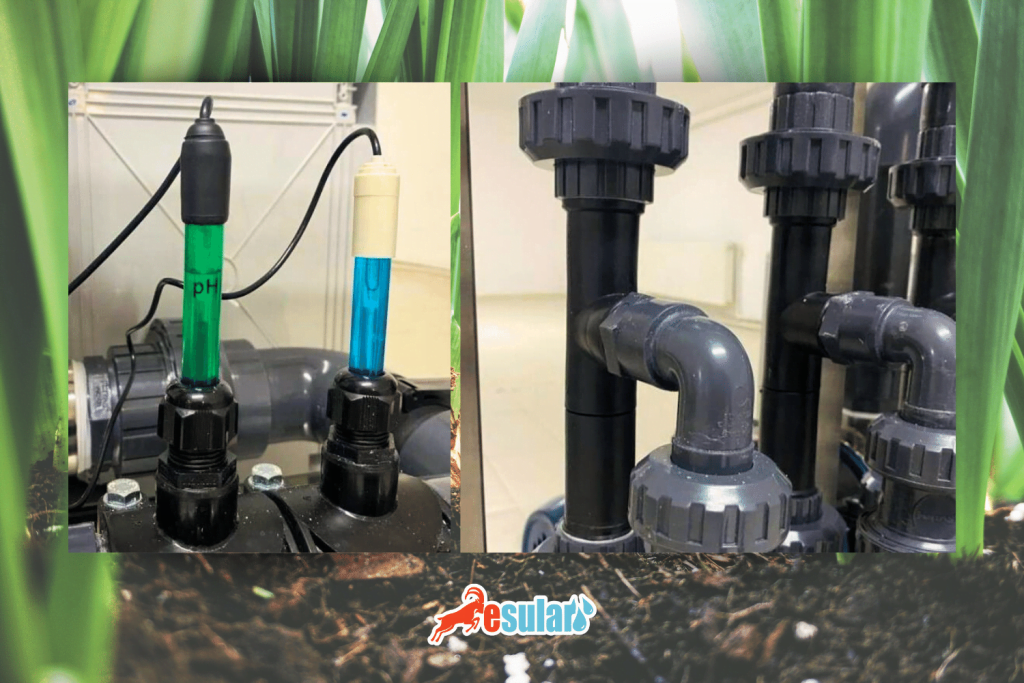
EC sensor: EC indicates electrical conductivity. Since the conductivity of water depends on the ions dissolved in it, EC also expresses the salt ratio dissolved in the water. So, in a sense, it is the salinity value of the water. The part of this related to plants is as follows; if the plant's sap is more concentrated than the water around its roots, the water around its roots is absorbed by the plant. However, if this water is saltier than the plant sap, absorption does not occur. If this problem increases further, it results in plant death. If the nutrient solution prepared for the plant is higher than the maximum salinity rate the plant can take, in this case, the plant cannot absorb the water and dries up.
In this system, fertilizer dosing also allows the fertilizer to be given to the system under EC and pH control in the amount we want and set. The control unit also offers EC control in the proportional fertilization program combined with the water volume. The concentration of fertilizers added to the irrigation water can be adjusted by measuring electrical transmission. Likewise, each crop grown has specific EC demands depending on its own and its cultivation periods. All these factors must be adjusted, measured, and applied to the plants together. In this way, the highest yield and quality can be obtained from fruit or vegetables. With the EC sensor, the conductivity value of the solution in the output line of the fertilization control device is measured; if the desired measurement value cannot be reached, a warning is given and the system is stopped.
- In soils with high EC values, avoid the use of chlorine-based fertilizers.
- EC/TDS
- EC Range: 0.0 to 10.0 mS/cm
EC Resolution: 0.1 mS/cm
EC Accuracy: ±0.078 mS/cm
pH sensor: pH is a unit of measurement that describes the acidity or basicity status of a solution. The pH value of pure water is 7. As the pH value of a solution approaches 0, the degree of acidity increases, and as it approaches 14, the degree of alkalinity increases. In order for the plant to take the necessary nutrients from the soil, the pH must be at certain values. In low pH soils, the absorption of heavy metals such as copper, manganese, iron, zinc, aluminum, and boron increases along with the nitric cation (conversion of urea to ammonium), while the absorption of magnesium, calcium, nitrate, phosphorus, and potassium decreases. This situation directly affects the yield. In high pH soils, the absorption of microelements such as iron, manganese, boron, and zinc, and phosphorus by the plant is more difficult.
If the fertilization process is done with ideal values, the plant can take all the nutritional values it needs completely. High pH problems are generally experienced in our country's irrigation waters. High pH values cause yield loss in the grown plant and a decrease in the quality of the soil. Thanks to this sensor we have developed, these values are continuously measured, and adjustments are made in the fertilizer concentration according to the values obtained, and the fertilization process is carried out in appropriate ranges for the development of the plant. If there is a high pH problem, nitric acid is added to the system. In other words, by adding nitric acid to the system, our high pH value is lowered to the level we want. In this way, the quality of the irrigation water can be increased and a more efficient fertilization can be performed. Sample pH and EC requirements according to plant species are shown in the table.
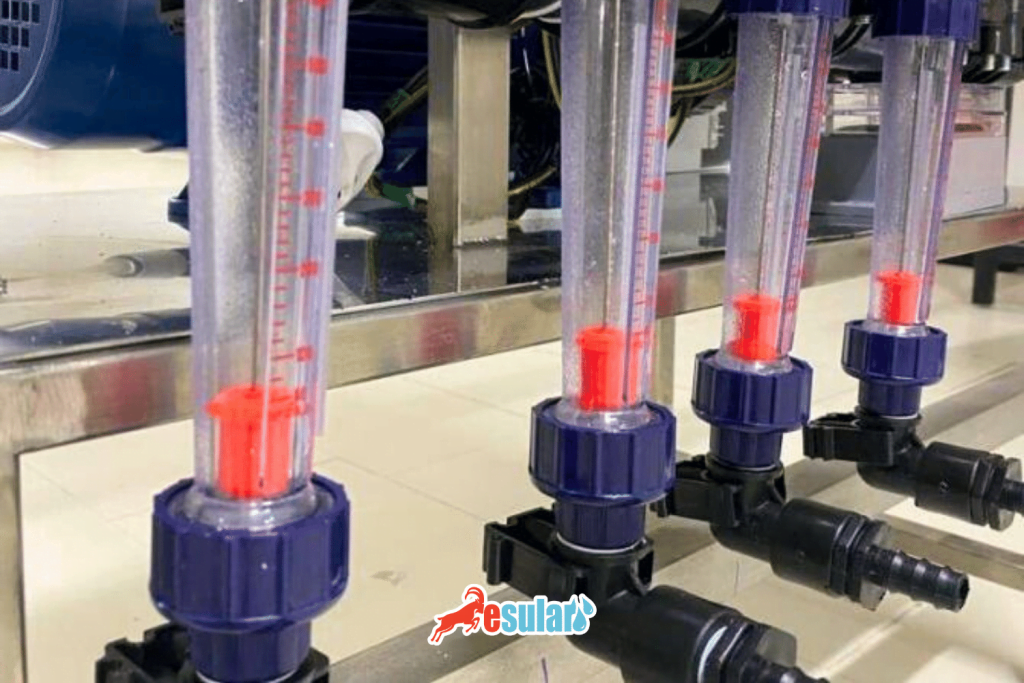
Float-type flowmeter: These types of flowmeters are used to detect the instantaneous flow of liquid and corrosive fluids. The float, which moves freely without friction when connected vertically and the flow passes from bottom to top, changes position by being pushed by the fluid. This change depends on the flow rate, the weight of the float, and the density and viscosity of the fluid. Thanks to its PVC body, it can be used for a long time in corrosive environments.
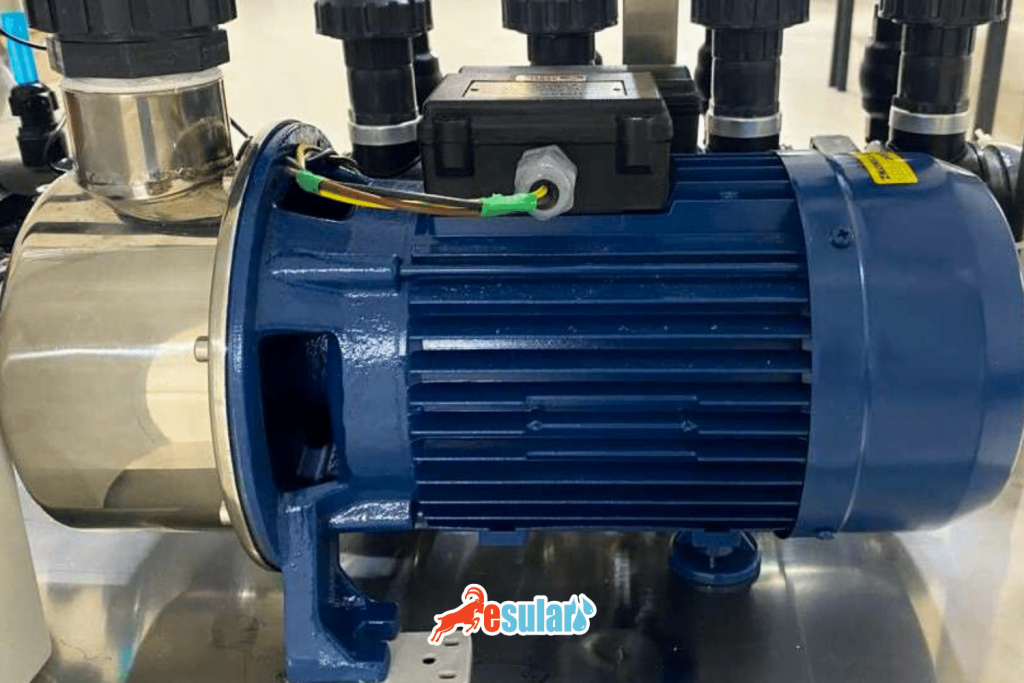
Stainless Centrifugal Pump; the pump preferred in this system is AISI 304 stainless steel and is quite resistant to high force pressure and high heat treatment. It has been selected as suitable for long-term use in environments containing acid and fertilizer. Using a single pump in the system significantly reduces the cost and minimizes maintenance and repair costs in the future.
Advantages Provided by the Fertilization System
Advantages provided by the system;
- All parts used in this system are selected from acid and fertilizer resistant PVC and stainless materials.
- Easy installation and transportation can be provided.
- Requires less time and labor in application.
- Thanks to the ability to disassemble and reassemble parts, repairs and maintenance can be easily provided in case of any failure.
- It can work without the need for a fertilizer mixing tank and large equipment that can take up extra space in the field.
- According to the need, different formulations can be developed in production and the most suitable device can be designed.
- Proportional valves or on/off valves can be added to the system upon request.
- Protection against unauthorized use in the application is provided with user login management.
- Sequential or programmed irrigation can be defined via the application.

Yorumlar